





Birdwatching in Sichuan, China
A Kingdom of Pheasants and Sparrows
Birdwatching in Sichuan, China
A Kingdom of Pheasants and Sparrows




Contact us

Back to top





Submit to agree to our
Privacy Policy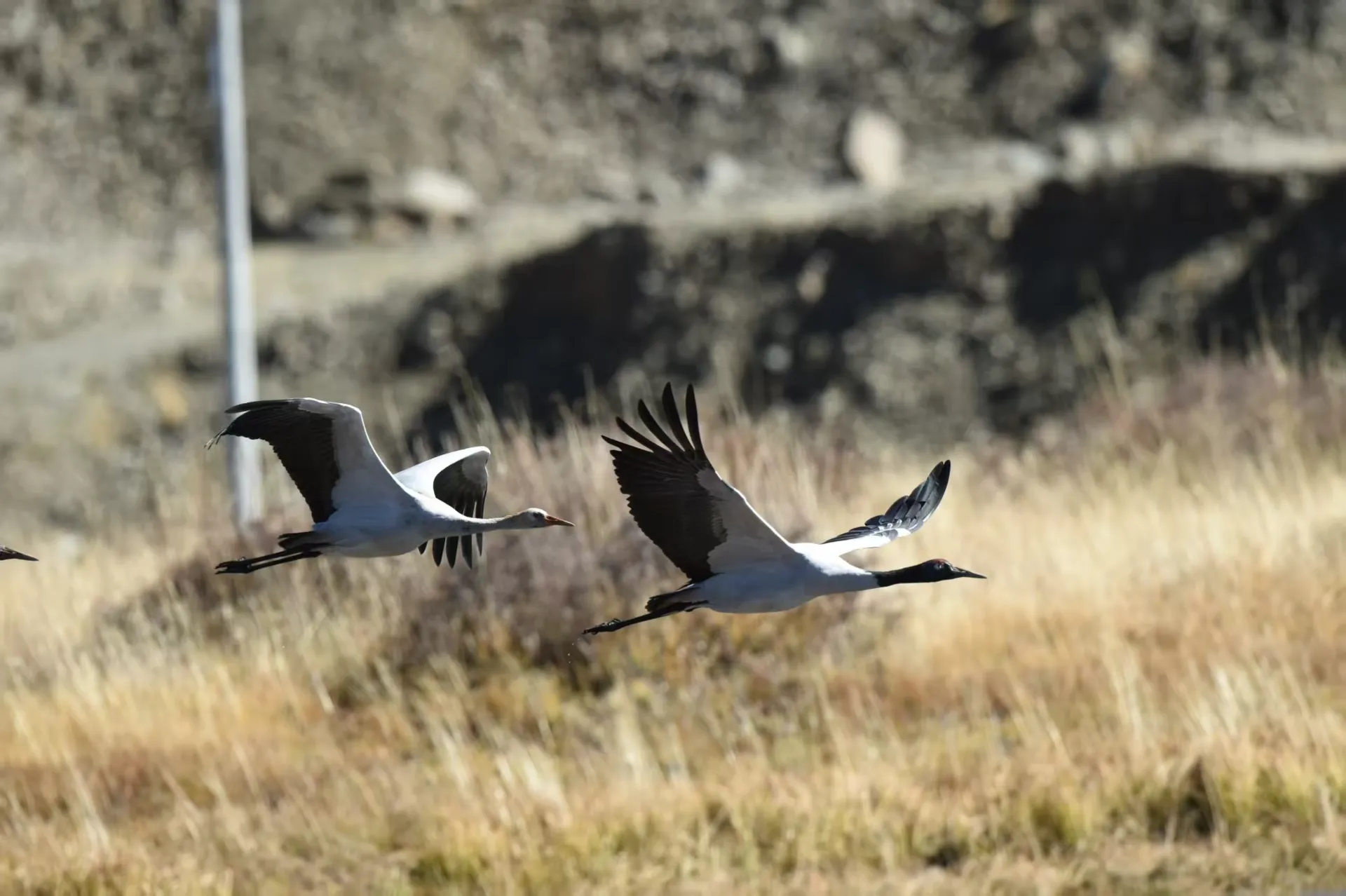
Birdwatching in Sichuan, China
A Kingdom of Pheasants and Sparrows

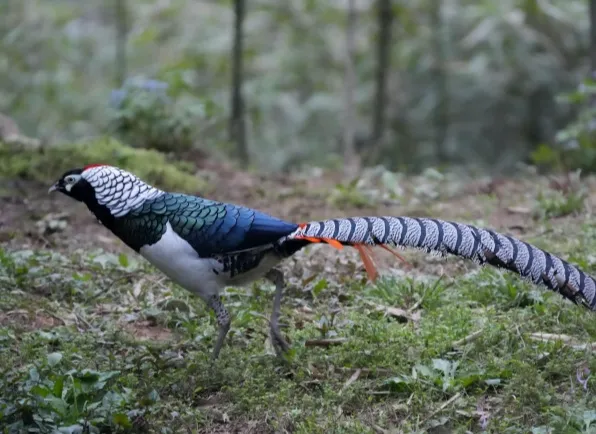
Sichuan is located on the eastern edge of the Qinghai-Xizang Plateau and the Hengduan Mountains. It is one of the regions with the richest biodiversity in the world and also the province with the most endemic bird species in China. There are 757 bird species distributed within its territory, among which 46 are endemic to China. Thirteen species of birds are directly named after "Sichuan" or place names in Sichuan. This place not only has unique pheasants in China but is also the most concentrated area of the raven finch in the world, making it a paradise for observing pheasants and raven finches. It is also a gathering place for both ancient and young species, with birds and beasts running wild in the mountains and fields, interpreting the wild side of western Sichuan.
This spring, we will embark on a 18-day small loop journey in Sichuan, from subtropical evergreen broad-leaved forests to temperate coniferous forests and up to the plateau meadows, seeking out different endemic and rare bird species in various habitats.

Target bird species
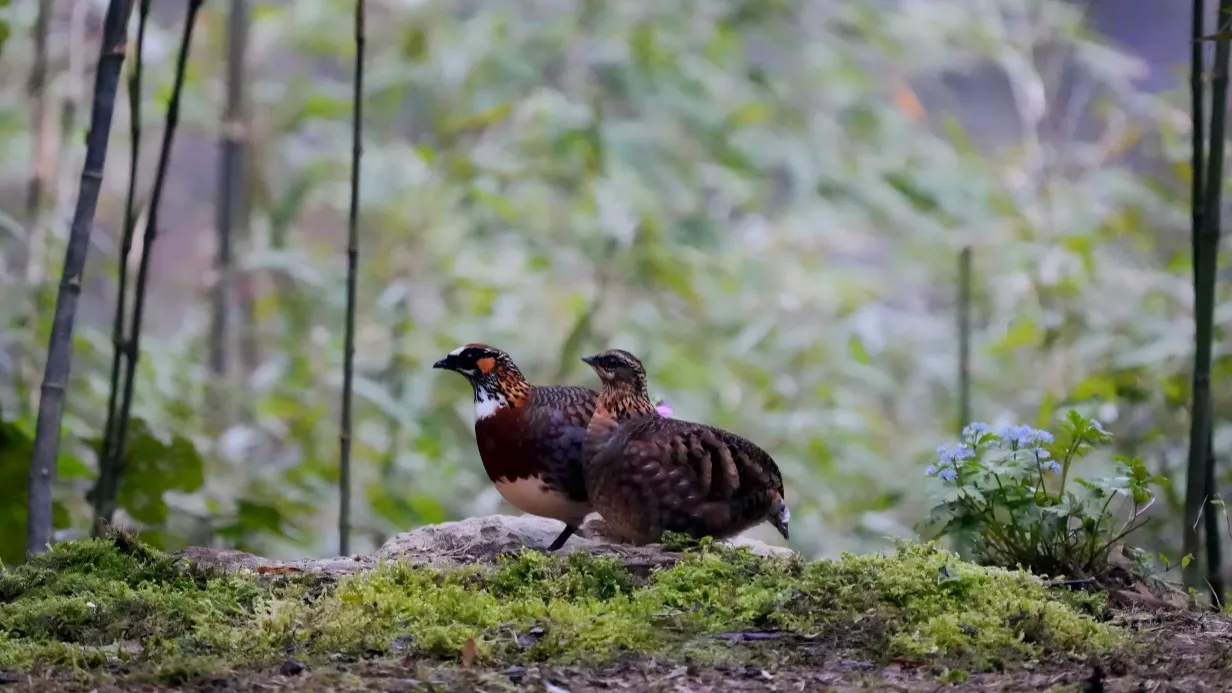
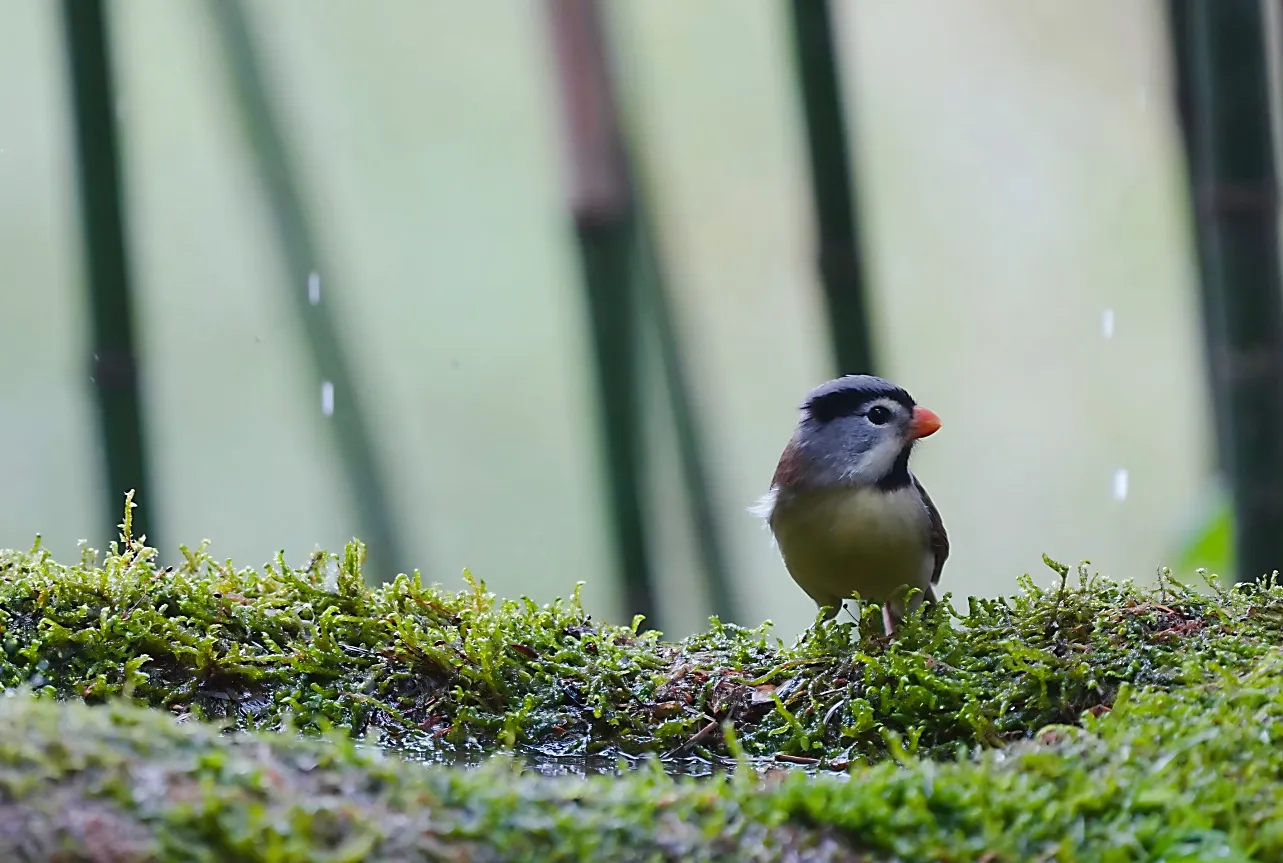
Blue Eared Pheasant 、 Chinese Grouse、Blood Pheasant、Black Woodpecker、Crested Tit-warbler、White-browed Tit-warbler、Spectacled Parrotbill、Chinese Rubythroat、Siberian Rubythroat、White-throated Redstart、White-browed Tit、Slaty-backed Flycatcher、Hodgson‘s、Crested Goshawk、Black Kite、Himalayan Beautiful Rosefinch、Himalayan Buzzard、Red Crossbill、Grey-headed Bullfinch、Greenish Warbler、Yellow-streaked Warbler、Sichuan Leaf Warbler、Chinese Leaf Warbler、Buff-barred Warbler、Tickell’s Leaf Warbler、Hume‘s Leaf Warbler、Cinereous Tit、Grey-crested Tit、Coal Tit、Sichuan Tit、Grey-backed Shrike、Long-tailed Minivet、Long-tailed Thrush、Rock Sparrow、Eurasian Skylark、Horned Lark、Tibetan Lark、Oriental Skylark、Black Redstart、White-rumped Snowfinch、Rufous-necked Snowfinch、Blyth’s Pipit、Twite、White-bellied Redstart、Black-rumped Magpie、Rufous-gorgeted Flycatcher、White-capped Redstart、Himalayan Bluetail、Chestnut Thrush、White-backed Thrush、Goldcrest、Plain Laughingthrush、 White-tailed Eagle、Upland Buzzard、Hen Harrier、Saker Falcon、Himalayan、Black-faced Laughingthrush、Pere David‘s、Sichuan Treecreeper、Red-winged Laughingthrush、Vinaceous Rosefinch、Tire-capped Tit、Darjeeling Woodpecker、Green-backed Tit、Red-billed Leiothrix、Long-tailed Minivet、Yellow-throated Bunting、Plumbeous、Brown Dipper、White-capped Redstart、Spot-breasted Parrotbill、Barred Laughingthrush
Itinerary


The Bestecotours guide will pick you up at the airport upon your arrival and take you to a tea house with Sichuan characteristics to watch the magical Sichuan Opera face-changing performance, and then start the welcome dinner.
The instantaneous "magic" of Sichuan Opera face-changing is the most distinctive part of Sichuan Opera. The changes in expressions vividly demonstrate the unique way of dramatic expression and emotional conveyance contained in Sichuan Opera.
After the dinner, a pre-trip briefing on "Southwest China: A Gathering of Birds" will be held.
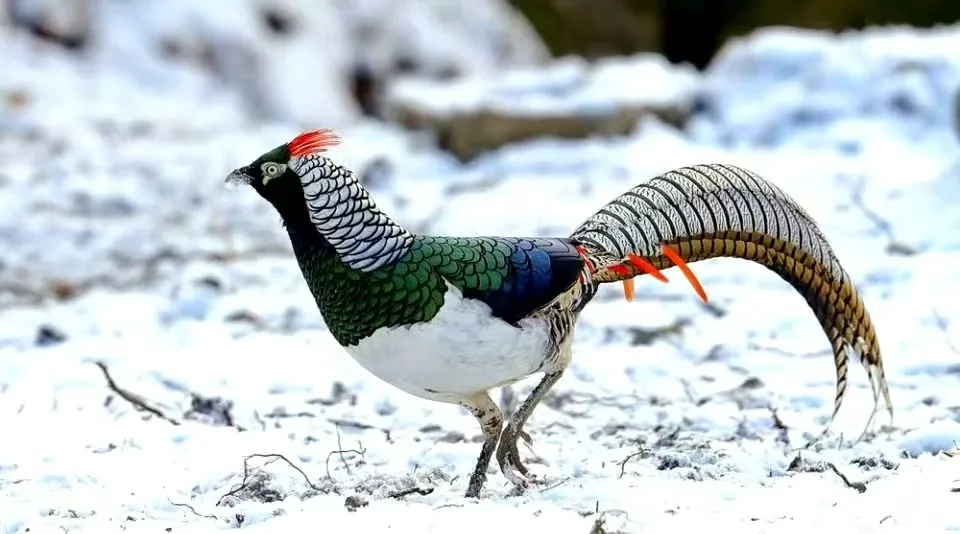
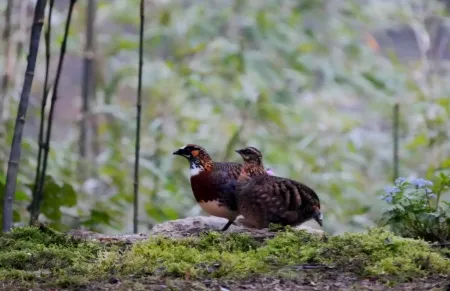
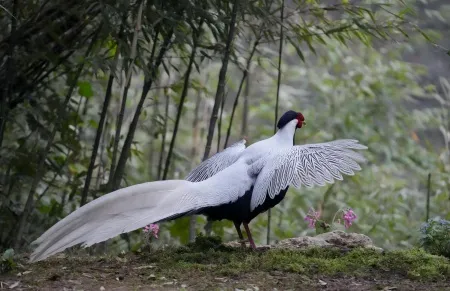
Head to the Laojunshan National Nature Reserve in Yibin, a nature reserve primarily dedicated to the conservation of pheasants such as the Sichuan Partridge, located in Pingshan County, Yibin. This area is home to numerous rare and endangered bird species, including the Temminck’s Tragopan, Golden Pheasant, Silver Pheasant, Chinese Bamboo Partridge, Emei Shan Liocichla and Buffy Laughingthrush. Among these, the Sichuan Partridge is secretive and elusive, and very few people have ever managed to spot them; however, their activities can be reliably observed in the 2,000-metre-altitude zone within the reserve.
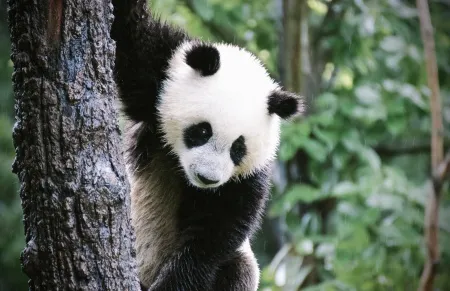
In Sichuan, China, this place has gradually become the base for giant panda scientific research and a stable protector of the giant panda population.
In the Ya'an Bifengxia Reserve, the habitat chosen by giant pandas mainly belongs to high mountains and deep valleys, with moderate density of bamboo forests under the trees, which remain green all year round, providing the most suitable living place for giant pandas. We will visit the giant panda conservation center, listen to interesting stories about giant pandas, learn about rescue and release situations, and understand the sustainable development project of giant pandas in China.
Head to WawuMountain Nature Reserve .
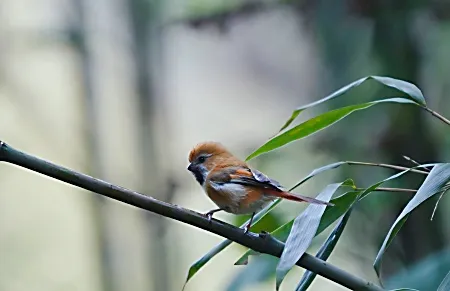
The Wawu Mountain Nature Reserve is an ideal destination for birdwatching, particularly renowned for its diverse parrotbill species. Southwestern China serves as the evolutionary centre for parrotbills, giving rise to the saying: "To observe China's parrotbills, look to Sichuan; to observe Sichuan's parrotbills, look to Wawu Mountain."
Currently, approximately 21 species of parrotbill are known worldwide, with 20 distributed across China. Sichuan Province hosts 15 of these species, while Mount Wawu stands as one of China's most concentrated areas for parrotbill diversity, truly earning its reputation as the homeland of parrotbills. Observation opportunities include the Grey-hooded Parrotbill, Three-toed Parrotbill, Brown Parrotbill, Golden Parrotbill, Fulvous Parrotbill, Great Parrotbill, Ashy-throated Parrotbill, Vinous-throated Parrotbill, Grey-headed Parrotbill,alongside numerous Babbler and diverse forest birds.
During this expedition, we shall ascend directly to Wawu Mountain Station via cable car, traversing the cloud-capped plateau. Amidst habitats of fir forests, rhododendron thickets and arrow bamboo groves, we shall follow vocalisations to observe the characteristics and behaviours of parrotbills and diverse woodland birds.
Moreover, Mount Wawu boasts the highest encounter rate for wild red pandas in China. Perhaps upon a fir branch, a sunbathing red panda may grace us with its presence.
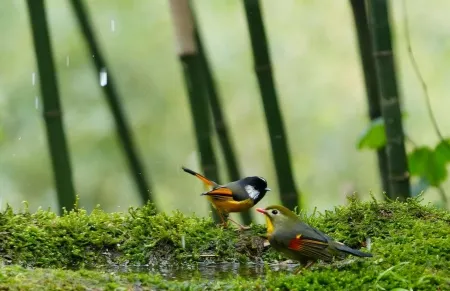
After birdwatching at Wawushan Mountain, we proceeded to Longcanggou National Forest Park
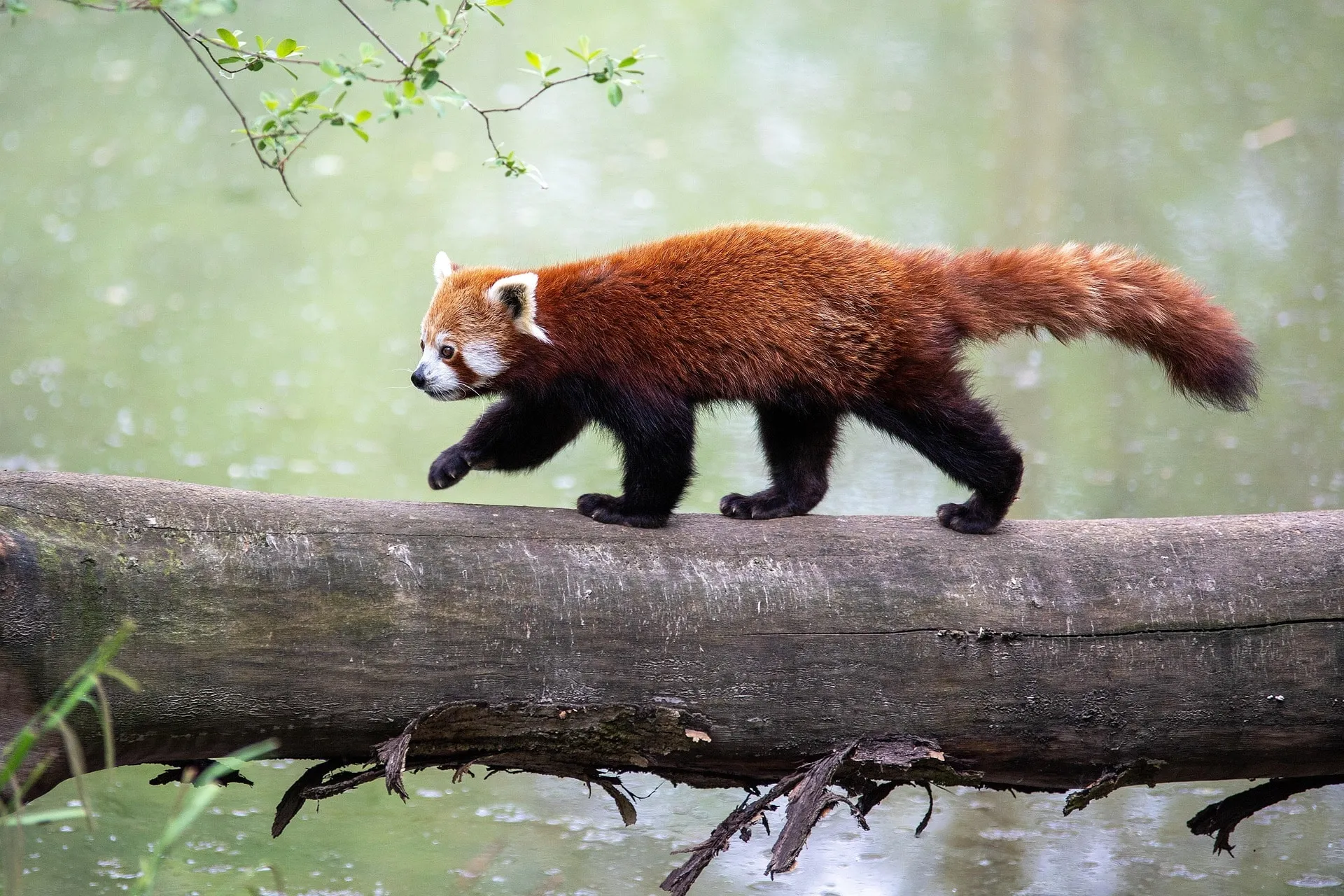
The parrotbills in Longcanggou National Forest Park are also very diverse. What is particularly unique is that one can observe three extremely rare bird species here: Golden-fronted Fulvetta, Golden-breasted Fulvetta, and Golden Parrotbill.
In addition, we can also spot rare birds such as the Grey-hooded Parrotbill, Three-toed Parrotbill, Emei Shan Liocichla, Eurasian Three-toed Woodpecker, Sichuan Bush Warbler, Chinese Blue Flycatcher, and Emei Leaf Warbler. Most of these are endemic species to China.
We’ll head to Labar River National Park and set out on our exploration in the evening. Sambar deer can often be seen licking salt licks near the hotel, whilst the red-and-white giant flying squirrel, the masked palm civet and the forest musk deer may be spotted by the roadside or in the woods.
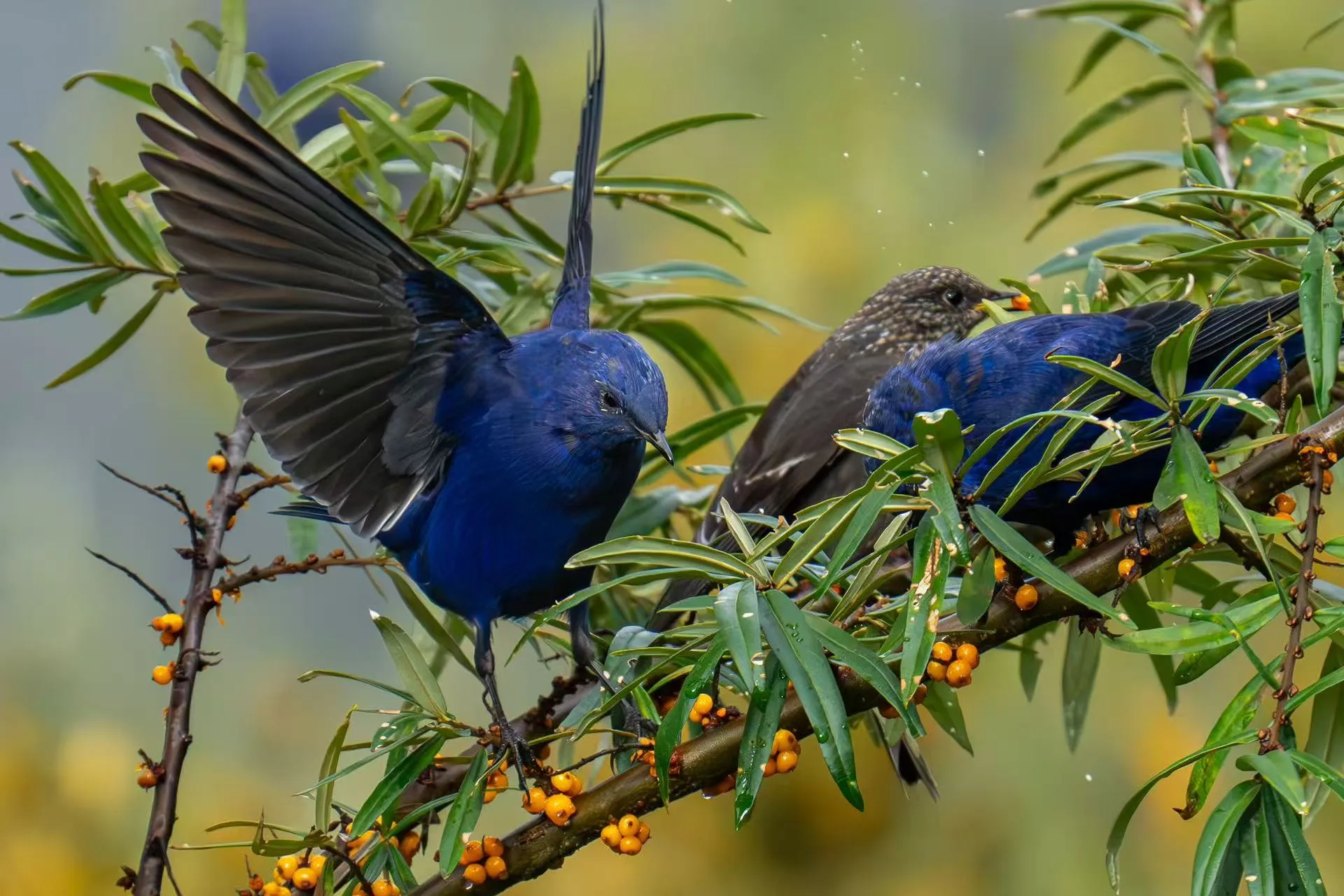
The Labar River National Park is situated within the Giant Panda National Forest Area, in the heart of the Western China Rainforest Belt. With abundant rainfall, significant elevation gradients and distinct vertical vegetation zones, these combined factors have fostered a rich biodiversity, with the Giant Panda, Red Panda, Golden snub-nosed monkeys, Himalayan takins, Tibetan macaques and sambar deer. Laba River has also become an ideal habitat for birds such as pheasants, flycatchers and tits. Species found within the reserve include the Chinese Monal, Blood Pheasant and Giant Laughingthrush, whilst the woodland is home to the Himalayan and Black-faced Laughingthrush, Pere David’s Laughingthrush, Sichuan Treecreeper, Red-winged Laughingthrush, Vinaceous Rosefinch, Tire-capped Tit, Darjeeling Woodpecker, Green-backed Tit, Red-billed Leiothrix, Long-tailed Minivet, Yellow-throated Bunting, Emei Shan Liocichla, Elliot’s Laughingthrush, and various warblers. Walking along the ecological boardwalk, you can also spot birds inhabiting the stream valleys, such as the Plumbeous Dipper, Brown Dipper and White-capped Redstart.
Heading to Erlang Mountain, which occupies a highly distinctive location, serving as a dividing line between different climates, geographical features, cultures, ethnic groups and traditions. Passing through the Erlang Mountain Tunnel, we will emerge from the rain-drenched woodlands onto the temperate plateau, which is also part of the Tibetan cultural region. The aim of our trip is to observe rare bird species such as the Rufous-tailed Babbler, Spot-breasted Parrotbill, Barred Laughingthrush, Chestnut-bellied Euphonia and Indian Blue Robin.
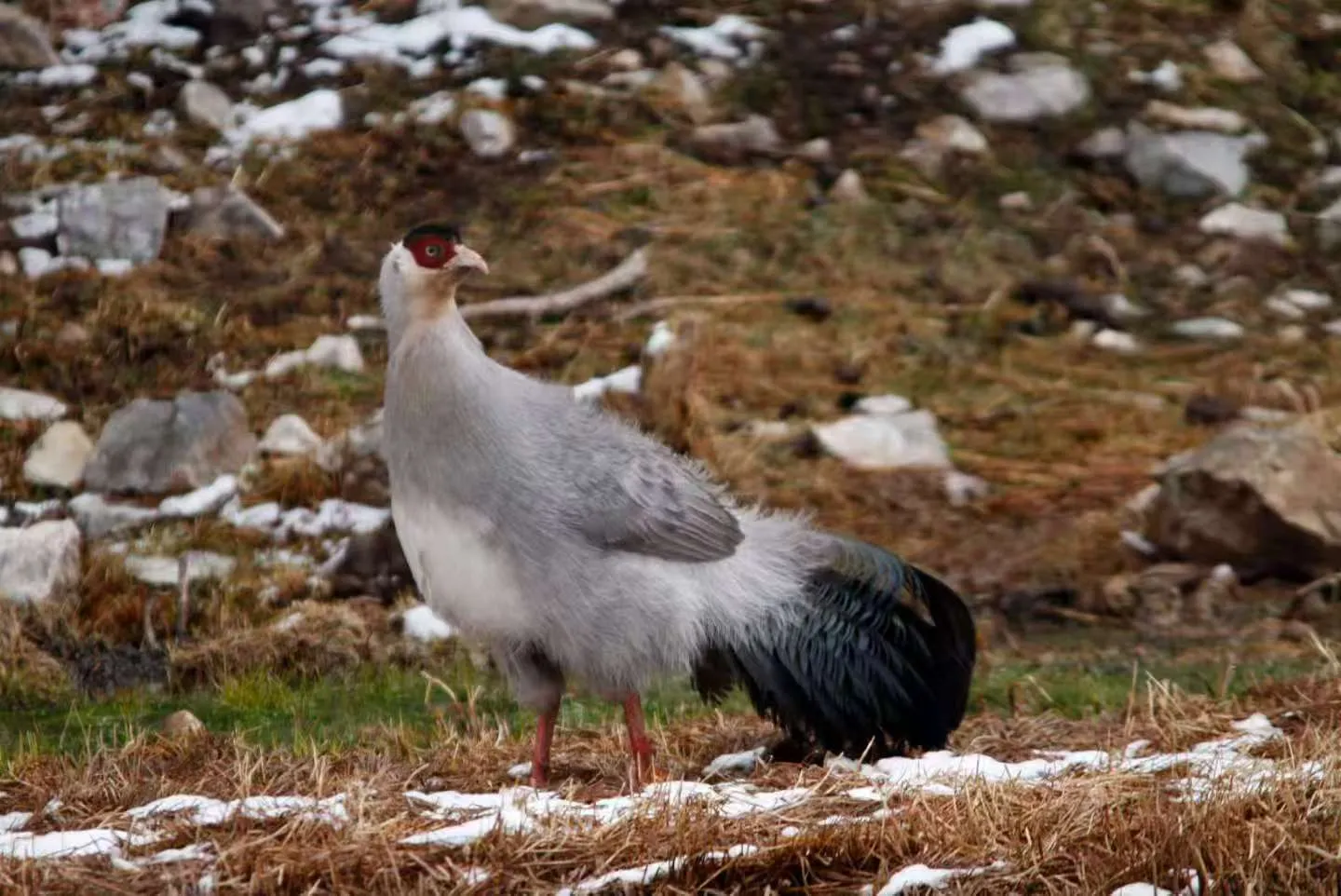
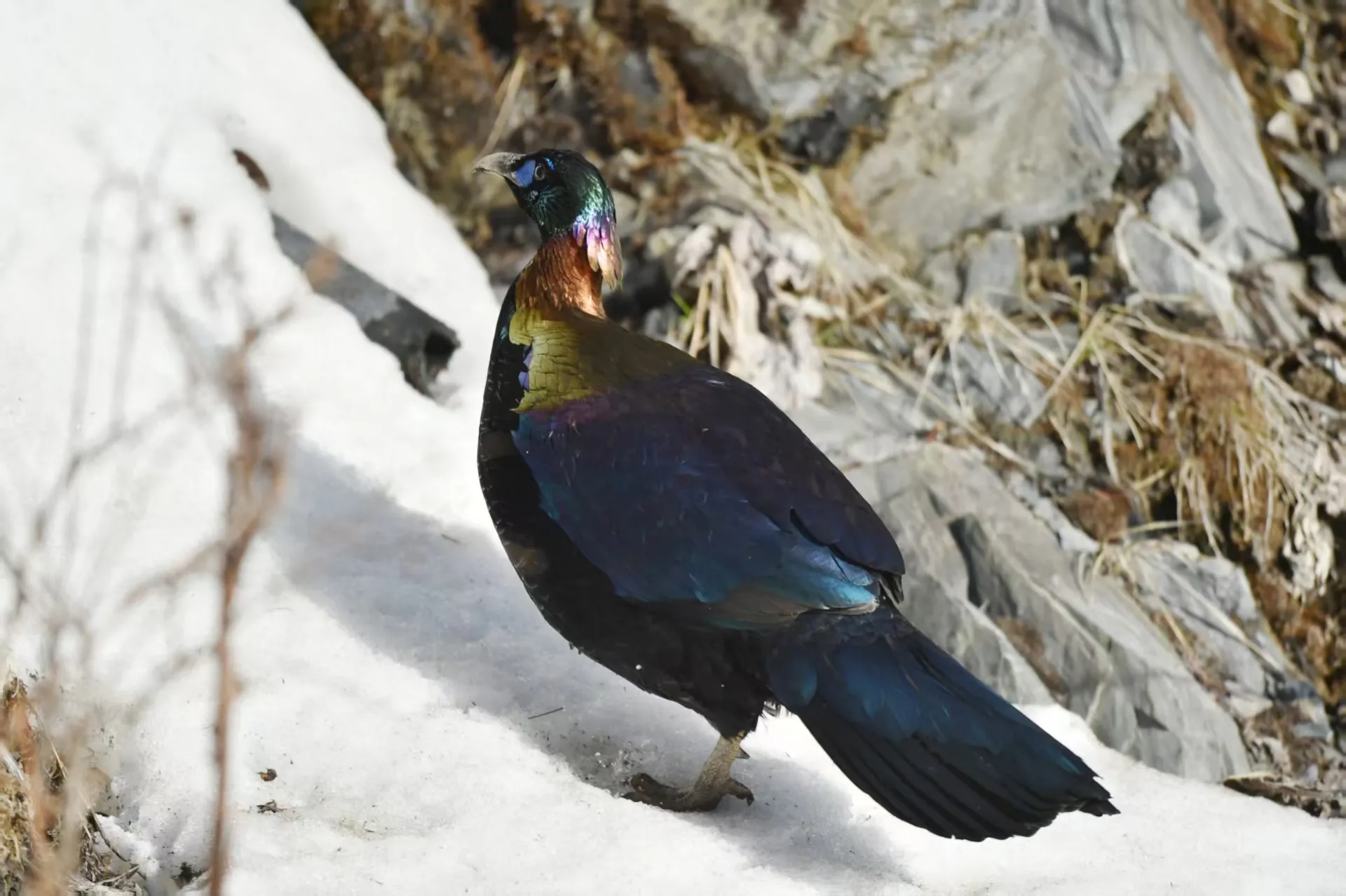
In Kangding, a Tibetan-populated area, we can reliably observe the Chinese Monal on the alpine meadows at an altitude of around 4,000 metres; in addition, other high-altitude bird species such as the Blood Pheasant and the White-eared Pheasant can also be spotted here.
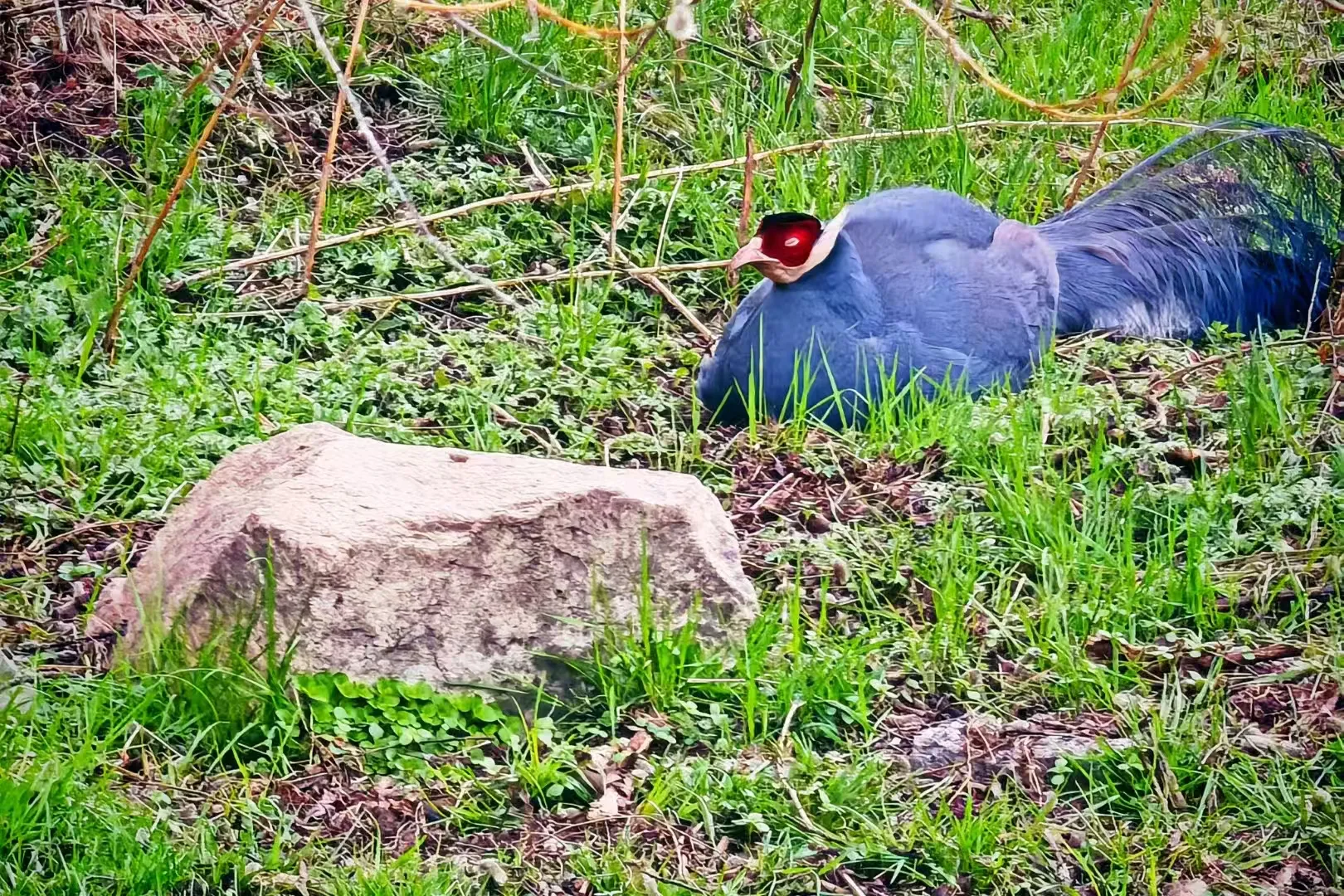
Balang Mountain, situated approximately 130 kilometres northwest of Chengdu, stands as Sichuan's premier destination for observing pheasant species. Rising to an altitude of 5,040 metres, its mid-to-high-altitude rhododendron forests and alpine meadows harbour a concentration of highly representative avian species. These include the Chinese Monal, Temminck's Tragopan, Golden Pheasant, Tibetan Eared Pheasant, Koklass Pheasant, White Eared Pheasant, Blood Pheasant, and Chestnut-throated Monal-Partridge. This area is also favourable for observing Dark-breasted Rosefinch, Sharpe’s Rosefinch, Blanford’s Rosefinch, Common Rosefinch, Siberian Pipit, Spot-winged Grosbeak, Brandt's Mountain Finch, Chinese White-browed Rosefinch, Collared Grosbeak, Rufous-breasted Accentor, Alpine Accentor, Firethroat, and Grandala. Raptors such as Himalayan Vulture, Bearded Vulture, and Golden Eagle, along with corvid species like Alpine Chough and Red-billed Chough, are also readily observed.
Mengbi Mountain, situated between Xiao Jin County and Ma'erkang City, stands as an essential stop for birdwatchers visiting the Aba Tibetan and Qiang Autonomous Prefecture. Its vegetation, dominated by dark coniferous forests and alpine shrublands, remains remarkably well-preserved, providing an exceptional habitat for numerous Chinese endemic bird species. Each dawn and dusk, traversing the mountain's summit amidst the cloud spruce forests, one may frequently encounter the White-eared Pheasant, Blood Pheasant, Sichuan Jay, Crested Tit-warbler, and Chestnut-throated Monal-Partridge. One may also encounter Przevalski’s Nuthatch, Long-tailed Thrush, Tibetan Serin, Hume’s Leaf Warbler, Buff-barred Warbler, Crested Tit-warbler, Cinereous Tit, Maroon-backed Accentor, Crested Honey Buzzard, Blue-fronted Redstart, Cinereous Tit, Rufous-vented Tit, Elliot's Laughingthrush, Himalayan Bluetail, Rufous-breasted Accentor, Posy Pipit, Pink-rumped Rosefinch, Chinese White-browed Rosefinch, and Three-banded Rosefinch. One may also encounter the Tufted Deer unexpectedly.
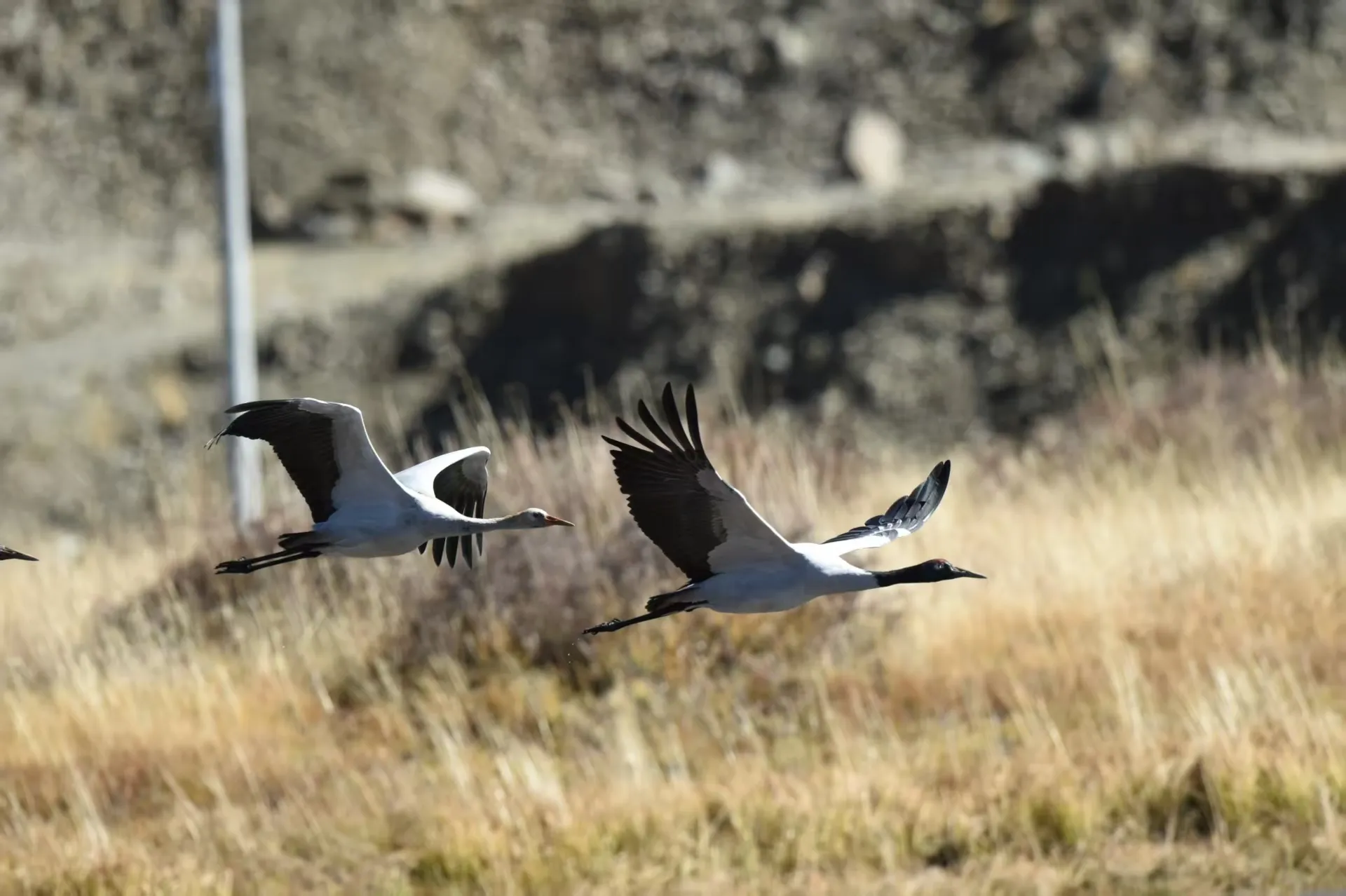
There are fifteen species of cranes in the world, among which the Black-necked Crane is the only one that breeds and winters on the plateau. It inhabits marshes, meadows, and riverbanks at altitudes of 2,500 to 5,000 metres and is listed as a Class I Key Protected Wildlife species by the Chinese government. Hongyuan Moon Bay serves as one of the primary breeding grounds for the eastern population of Black-necked Cranes. From April to November each year, they spend extended periods here courting, laying eggs, and incubating, before collectively migrating southwards in autumn to overwinter in the Wumeng Mountains of northeastern Yunnan and northwestern Guizhou. Beyond the Black-necked Crane, this area also offers ideal viewing opportunities for waterfowl such as the Bar-headed Goose, Greylag Goose, and Ruddy Shelduck, alongside various raptors.
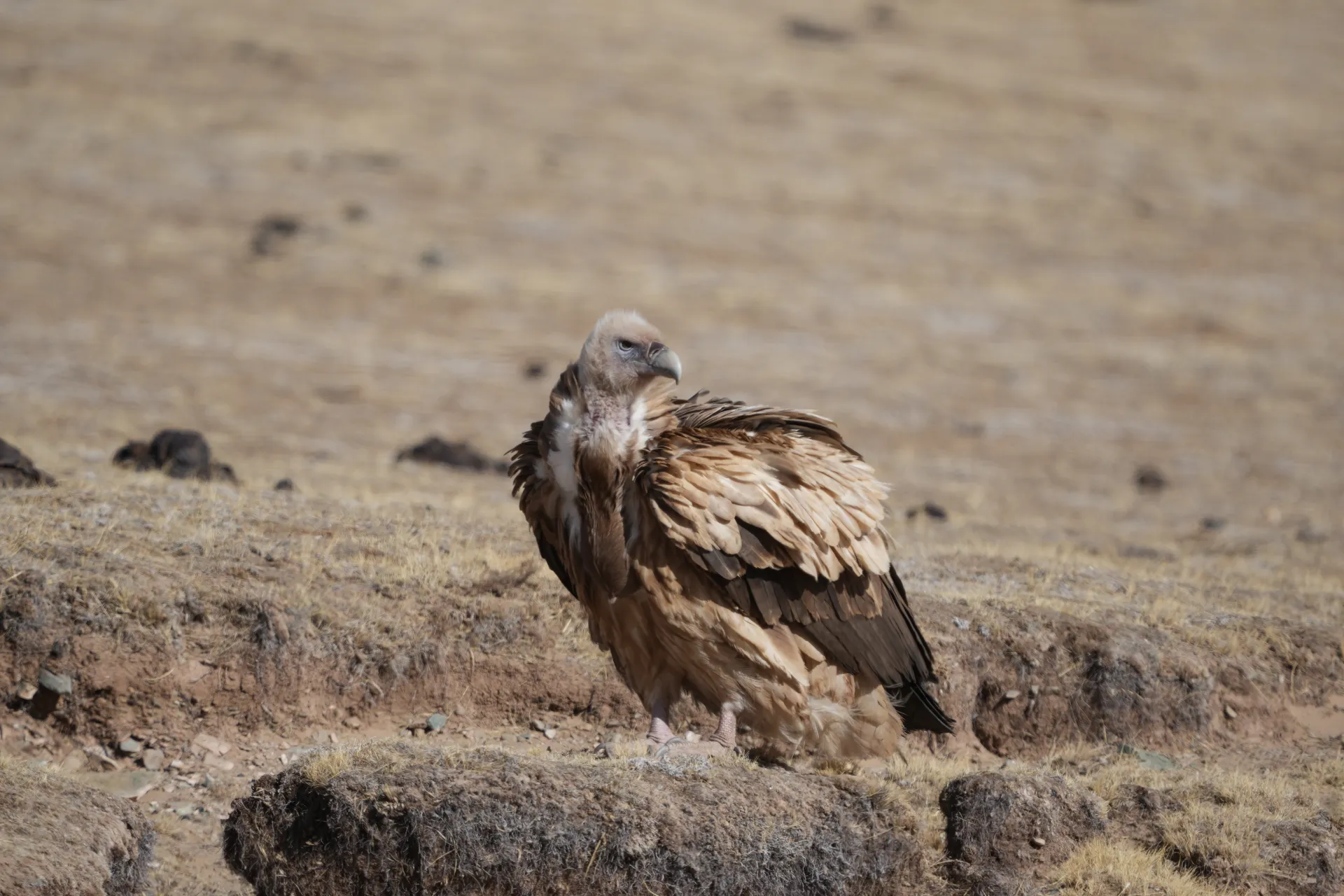
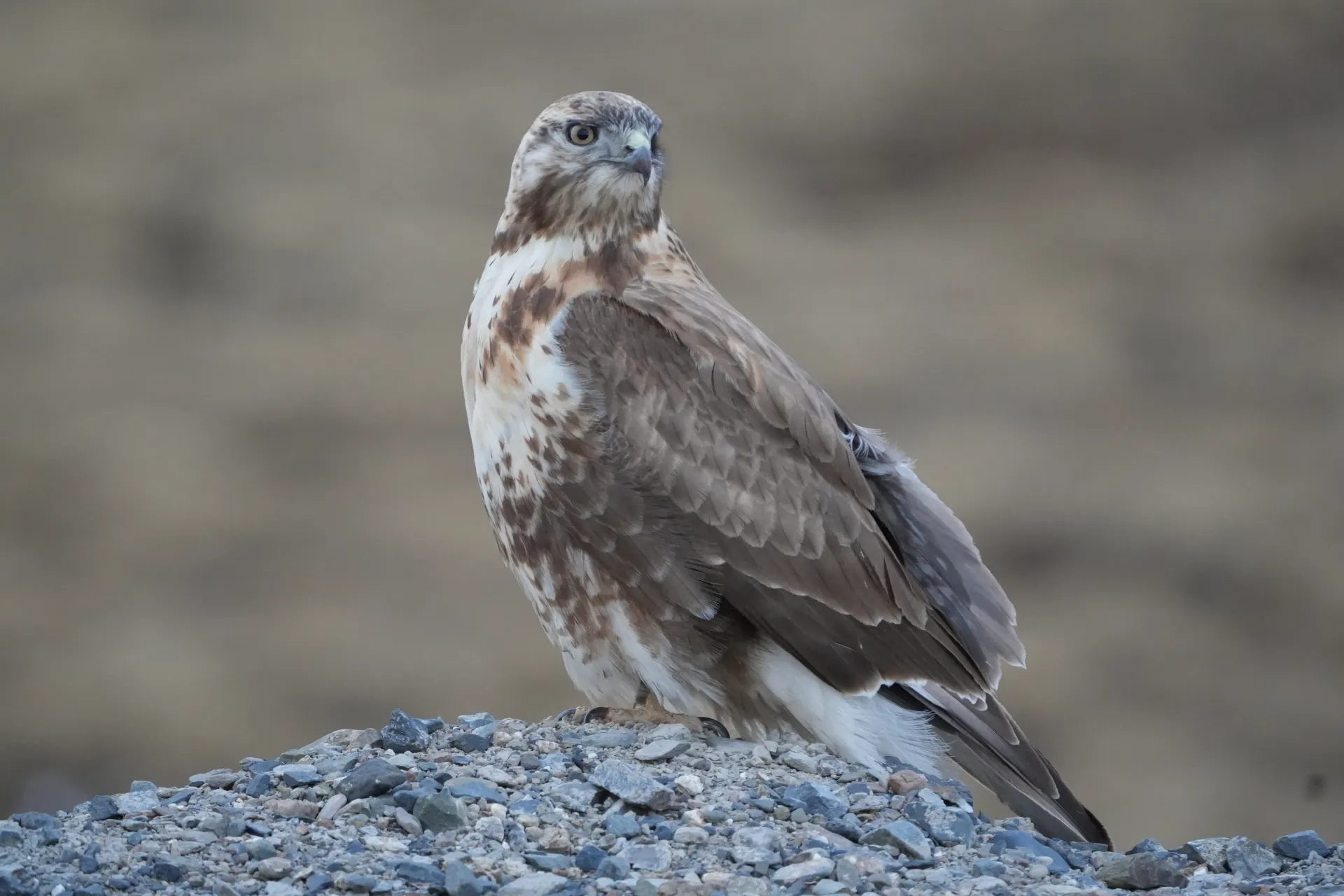
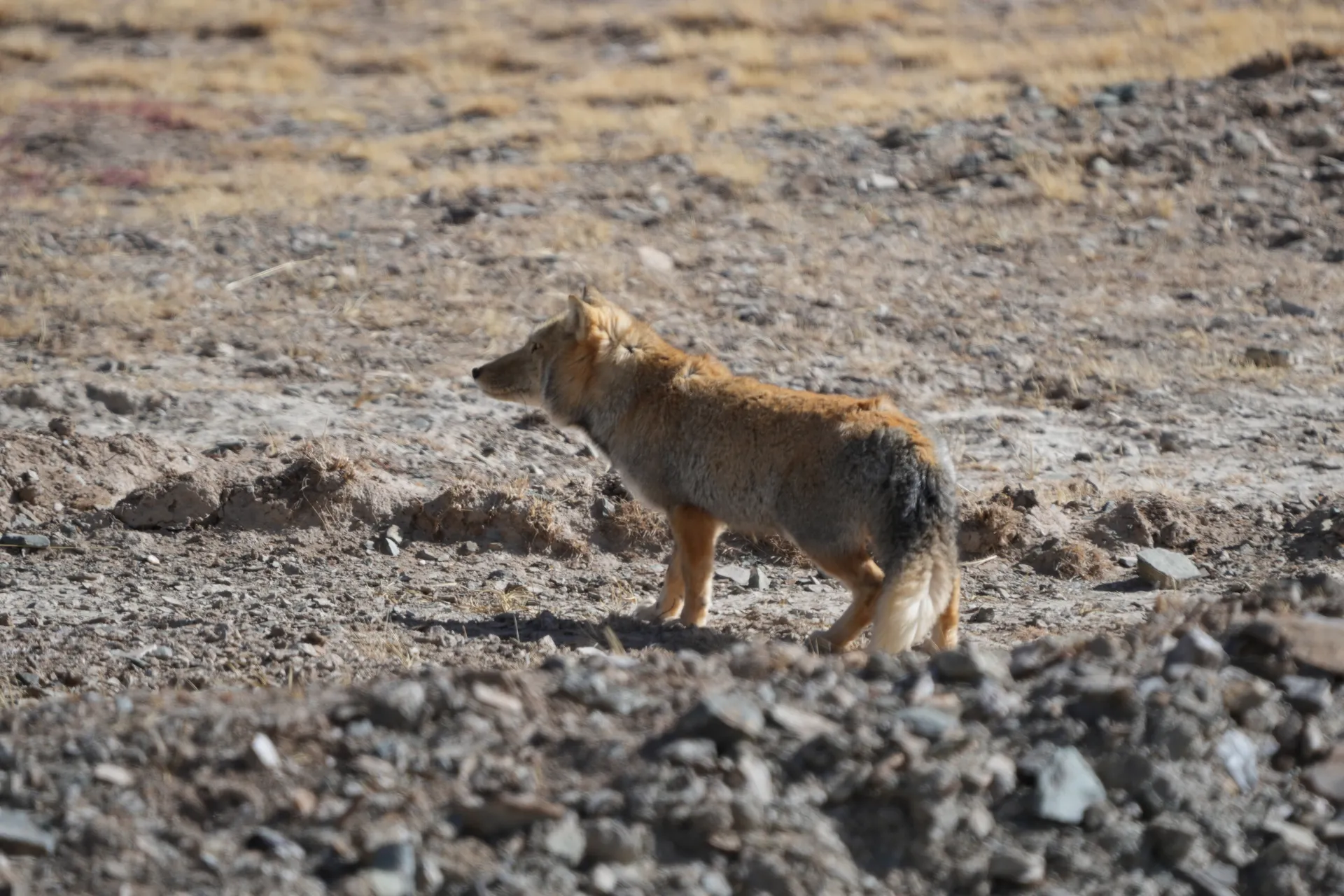
The Erda Basin, where Ruoergai is situated, is flat and vast, with lush vegetation and numerous wetlands and lakes. It is home to a vast population of high-altitude waterbirds, including the Bar-headed Goose, Greylag Goose, Ruddy Shelduck, Red-crested Pochard,…… as well as various birds of prey such as the Himalayan Vulture, Eurasian Sparrowhawk, Bearded Vulture, Golden Eagle, White-tailed Eagle, Upland Buzzard and Hen Harrier. It is also a shared habitat for numerous mammals, including the Tibetan Gazelle, Red Fox, Tibetan Fox, Steppe Polecat, Chinese Mountain Cat ; if you take the time to look carefully, you are sure to spot them.We will be able to spot:Blue Eared Pheasant 、Chinese Grouse、Blood Pheasant、Black Woodpecker、Crested Tit-warbler、White-browed Tit-warbler、Spectacled Parrotbill、Chinese Rubythroat、Siberian Rubythroat、White-throated Redstart、White-browed Tit、Slaty-backed Flycatcher、Hodgson‘s、Crested Goshawk、Black Kite、Himalayan Beautiful Rosefinch、Common Cuckoo、Black-necked Crane、Common Kestrel、Pink-rumped Rosefinch、Chinese White-browed Rosefinch、Common Rosefinch、Spot-winged Grosbeak、Giant Laughingthrush、Elliot‘s Laughingthrush、Maroon-backed Accentor、Blue-fronted Redstart、Red-billed Chough、Rufous-vented Tit、Himalayan Buzzard、Red Crossbill、Grey-headed Bullfinch、Greenish Warbler、Yellow-streaked Warbler、Sichuan Leaf Warbler、Chinese Leaf Warbler、Buff-barred Warbler、Tickell’s Leaf Warbler、Hume‘s Leaf Warbler、Cinereous Tit、Grey-crested Tit、Coal Tit、Sichuan Tit、Grey-backed Shrike、Long-tailed Minivet、Long-tailed Thrush、Rock Sparrow、Eurasian Skylark、Horned Lark、Tibetan Lark、Oriental Skylark、Black Redstart、White-rumped Snowfinch、Rufous-necked Snowfinch、Blyth’s Pipit、Twite、White-bellied Redstart、Black-rumped Magpie、Rufous-gorgeted Flycatcher、White-capped Redstart、Himalayan Bluetail、Chestnut Thrush、White-backed Thrush、Goldcrest、Plain Laughingthrush,etc。The Erda Basin, where Ruoergai is situated, is flat and vast, with lush vegetation and numerous wetlands and lakes. It is home to a vast population of high-altitude waterbirds, including the Bar-headed Goose, Greylag Goose, Ruddy Shelduck, Red-crested Pochard,…… as well as various birds of prey such as the Himalayan Vulture, Eurasian Sparrowhawk, Bearded Vulture, Golden Eagle, White-tailed Eagle, Upland Buzzard and Hen Harrier. It is also a shared habitat for numerous mammals, including the Tibetan Gazelle, Red Fox, Tibetan Fox, Steppe Polecat, Chinese Mountain Cat ; if you take the time to look carefully, you are sure to spot them.We will be able to spot:Blue Eared Pheasant 、Chinese Grouse、Blood Pheasant、Black Woodpecker、Crested Tit-warbler、White-browed Tit-warbler、Spectacled Parrotbill、Chinese Rubythroat、Siberian Rubythroat、White-throated Redstart、White-browed Tit、Slaty-backed Flycatcher、Hodgson‘s、Crested Goshawk、Black Kite、Himalayan Beautiful Rosefinch、Common Cuckoo、Black-necked Crane、Common Kestrel、Pink-rumped Rosefinch、Chinese White-browed Rosefinch、Common Rosefinch、Spot-winged Grosbeak、Giant Laughingthrush、Elliot‘s Laughingthrush、Maroon-backed Accentor、Blue-fronted Redstart、Red-billed Chough、Rufous-vented Tit、Himalayan Buzzard、Red Crossbill、Grey-headed Bullfinch、Greenish Warbler、Yellow-streaked Warbler、Sichuan Leaf Warbler、Chinese Leaf Warbler、Buff-barred Warbler、Tickell’s Leaf Warbler、Hume‘s Leaf Warbler、Cinereous Tit、Grey-crested Tit、Coal Tit、Sichuan Tit、Grey-backed Shrike、Long-tailed Minivet、Long-tailed Thrush、Rock Sparrow、Eurasian Skylark、Horned Lark、Tibetan Lark、Oriental Skylark、Black Redstart、White-rumped Snowfinch、Rufous-necked Snowfinch、Blyth’s Pipit、Twite、White-bellied Redstart、Black-rumped Magpie、Rufous-gorgeted Flycatcher、White-capped Redstart、Himalayan Bluetail、Chestnut Thrush、White-backed Thrush、Goldcrest、Plain Laughingthrush,etc。
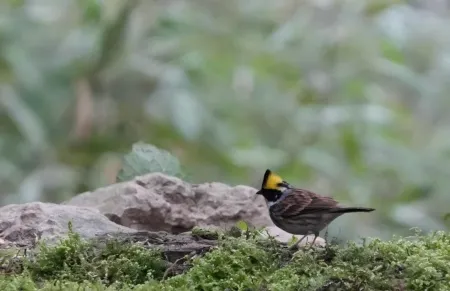
Chuanzhu Temple: this is where the Min River has its source. This area lies within the transitional zone between alpine grasslands and dark coniferous forests, making it an ideal location for observing numerous Chinese endemic bird species, including the Sichuan Wood Owl, Sichuan Jay, Chinese Grouse, Crested Tit-wren, and Snowy-cheeked Laughingthrush. Among these, the Sichuan Wood Owl is a rare species among China's dozens of owls, inhabiting the tall fir forests along the roadside where it hunts for rodents and small birds foraging beneath the canopy.

After concluding our day's observations, we shall return to Chengdu by coach.
Guided by our tour leader, we shall stroll through Chengdu's streets towards People's Park and the Wide and Narrow Lanes. This city seamlessly blends ancient Chinese culture with modern elements, allowing us to sense the pulse of urban development while savouring its leisurely atmosphere and deeply appreciating the unique charm of traditional Chinese culture.
We shall sample the most distinctive Sichuan cuisine—Sichuan hotpot.
Start customizing your exclusive !
Resources Recommend


We will take you on an in-depth adventure through the Giant Panda National Park, where you will learn about the wild lives of giant pandas and Sichuan snub-nosed monkeys in their natural habitats, and discover wildlife unique to China. You will also have the opportunity to get involved in giant panda conservation efforts by becoming a giant panda volunteer.Here, you can not only appreciate the beautiful and rich natural environment of China but also deeply experience Chinese culture
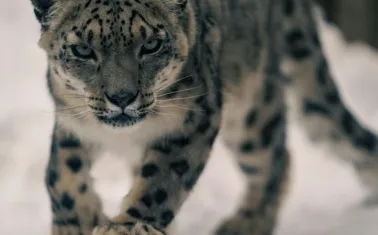
The Sanjiangyuan National Park on the Qinghai-Tibet Plateau, with an average altitude of around 4,600 metres, is a veritable paradise for wildlife. We shall witness the mass migration of Tibetan antelopes, track snow leopards as they roam the snow-capped mountains, and seek out wild yaks, kiangs, white-lipped deer, blue sheep, Tibetan foxes, black-necked cranes, bar-headed geese and Himalayan vultures – wildlife rarely seen elsewhere.
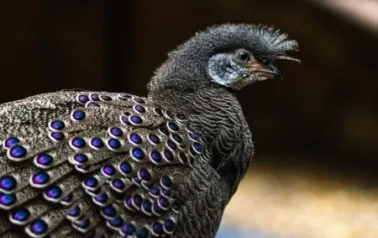
We’ll ‘trek’ across the Gaoligong Mountains from Baohua Ridge in Baoshan on the eastern slope, arriving at Hornbill Valley, where we’ll soak in natural hot springs amidst the birdsong echoing through the mountain streams, marvel at the diversity of bird species in the woodlands, and encounter a host of distinctive feathered friends in their varied habitats!
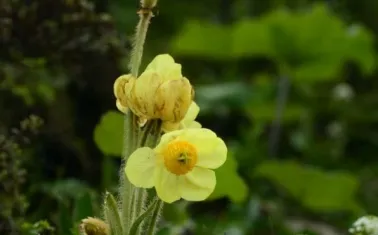
A hundred years later, we will follow in the footsteps of botanist Ernest Henry Wilson, revisiting the plant kingdom of the Hengduan Mountains in search of the Meconopsis, often hailed as the "Goddess of the Highlands," retracing his pioneering route.


+86-28-62058618

info@bestecotours.com

No. 889, Section 1, Riyue Avenue,
Qingyang District, Chengdu City,
Sichuan Province

Copyright © 2026 •BESTECOTOURS
| Open Positions | Privacy Policy | Terms and Conditions | Manage Cookies