






Shangri-La Meconopsis Expedition
Shangri-La Meconopsis Expedition




Contact us

Back to top





Submit to agree to our
Privacy Policy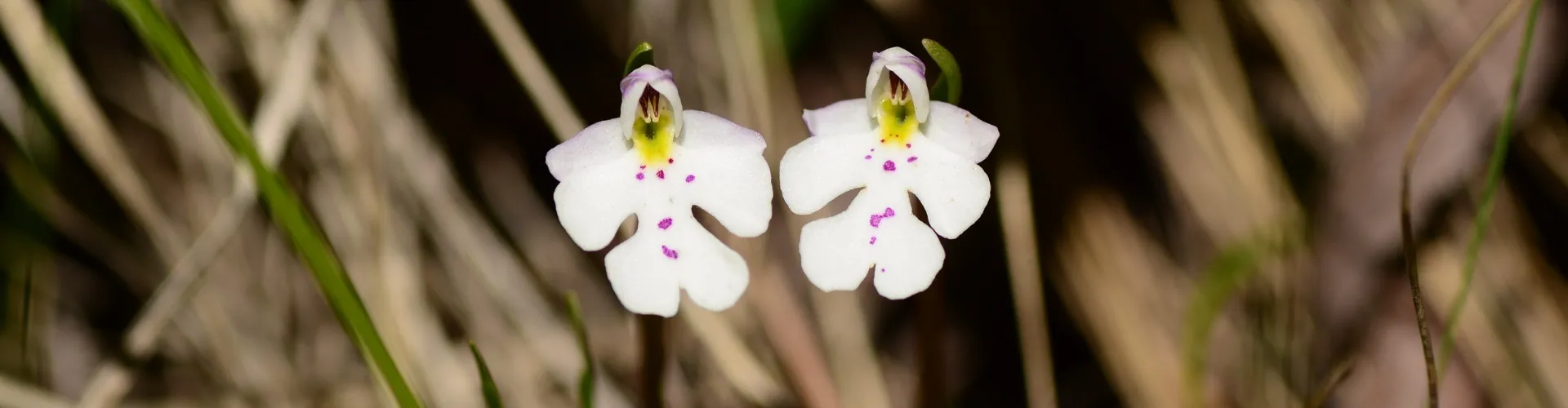

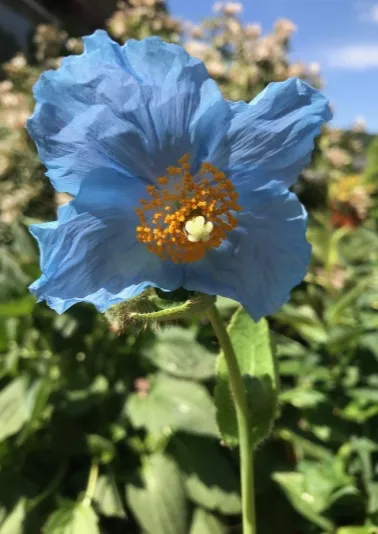
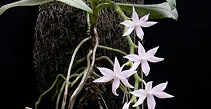
We will travel to places such as Shangri-La, Shika Snow Mountain, Biluo Snow Mountain, Pujinlangba, Bigutianchi, Peacock Mountain, Baima Snow Mountain, and more, in search of nearly 10 species of green orchids, including Meconopsis betonicifolia Franchet、Meconopsis exilis、Meconopsis zhongdianensis、Meconopsis prattii (Prain) Prain、Meconopsis rudis (Prain) Prain、Meconopsis venusta Prain、Meconopsis pseudointegridula Prain、Meconopsis sylphurea among others. We will also search for 5 species of Cypripedium, including Cypripedium flavum、Cypripedium plectrochilum、Cypripedium bardolphianum、Cypripedium tibeticum、Cypripedium yunnanense, Primula monticola、Primula deflexa、Primula sikkimensis、Primula secundiflora、Primula boreiocalliantha,Primula montana,more than Nomocharis pardanthina, and Lilium apertum ,Lilium lankongense、Lilium taliense, and other high-quality wild flowers. It’s worth noting that many of the flowers we seek are unique to this region and are rare and precious species that are not found elsewhere.
Why Choose Shangri-La ?
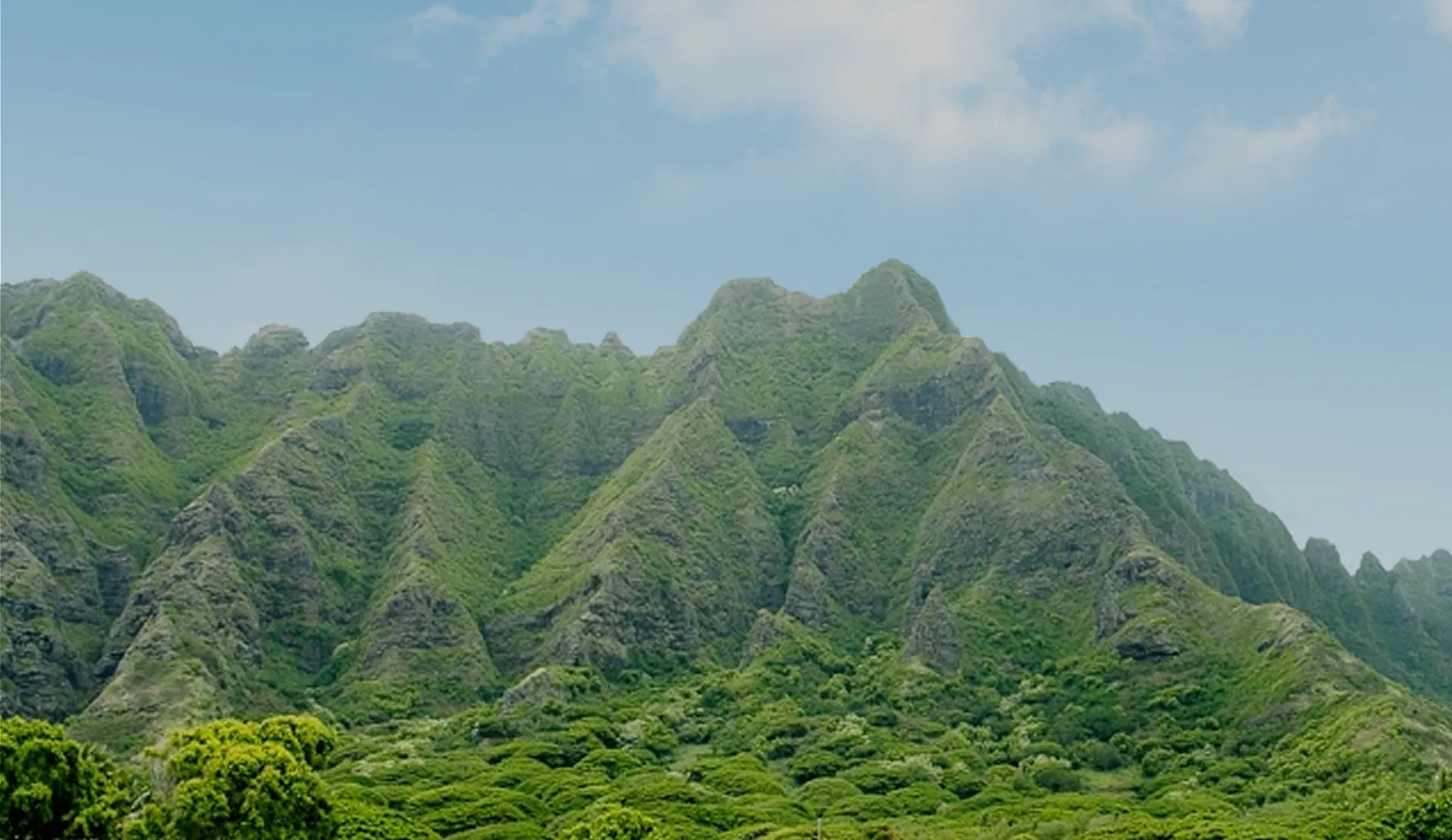
The Shangri-La region is a distinctive geographical area, where hundreds of snow-capped mountains, deep and crisscrossing canyons, vast alpine grassland pastures, starry-dotted alpine lakes and vast primeval forests are gathered. It is a microcosm of biodiversity and ecological environment in the Northern Hemisphere and can be regarded as a holy land for flower lovers all over the world.For a hundred years,“Plant Hunters”from all over the world have been constantlyTraveling to Shangri-La to exiplore the mysteries of plants.Here, you can not only enjoy the magnificent snow-capped mountain scenery and explore numerous rare animals and plants,but also step into the charming cultural world and come into contact with the mysterious Tibetan and Naxi cultures and other little-known Chinese cultures.
Itinerary

The Bestecotours tour leader will pick you up at the airport upon your arrival and start the journey to explore the Shangri-La Meconopsis。
The tour leader will take you for a stroll in the ancient town of Dukezong in Shangri-La,where you can admire the ancient buildings,rotate the huge prayer wheel together,and taste Tibtan desserts such as butter tea and yak yogurt.
In Shangri-La, you will stay at the Banyan Tree Ringha. The is located in a river valley and is a traditional Tibetan wooden house with handcrafted wooden bathtubs,Tibetan carpets and Tibetan handicrafts.Each room also has an independent terrace. The hotel is surrounded by snow-capped mountains, and the rivers flowing down from the mountains pass by the front door.The local residents will present you with a hada,which is a unique reception etiquette of the Tibetan people. Here, you can immerse yourself in the unique and secluded atmosphere of Shangri-La. You can take a leisurely stroll by the river or visit the nearby Buddhist temple to listen to the monks' evening prayers. This is a very "Shangri-La" experience.
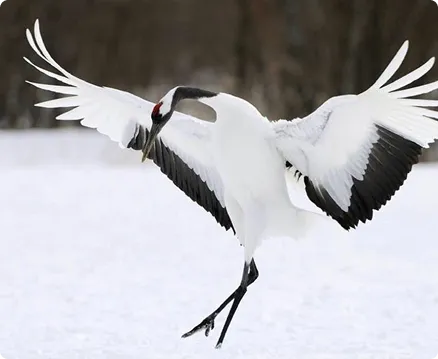
In July, the Napa Lake teems with lush aquatic vegetation, flanked by Tibetan villages where herds of cattle and sheep graze. This nature reserve was established to protect the black-necked crane. During summer, one may observe mallards, Mallard、Eastem Spot-billed Duck、Ruddy Shelduck、Great Egret、Eastem Cattle Egret raising their young. Amidst the surrounding scrub and woodlands, species such as Black-streaked Scimitar Babble、Elliot’s Laughingthrush、Rufous-tailed Babbler、Chinese Fulvetta、White-backed Thrush、Red-flanked Bluetail、 Wallcreeper、White-browed Tit-warbler are also busy foraging and rearing their young.
We proceed to the Shangri-La Alpine Botanical Garden, a research base dedicated to studying and conserving the rare flora of the Three Parallel Rivers World Heritage Site and the Qinghai-Tibet Plateau. Alpine plants such as Artemisia sinensis, Lilium sublimis, Cynoglossum officinale, Aconitum sinense, Primula tibetica, Artemisia sinensis var. sinensis, and various species of Artemisia are now in full bloom.
We shall also visit the Tibetan village of Nixi. This ancient stop on the Tea Horse Road boasts nearly a millennium of pottery-making tradition. A UNESCO Intangible Cultural Heritage inheritor will explain the material selection and crafting processes of black pottery, while We will sample Nixi Native chicken cooked using ancient Tibetan traditional methods。
Travelling along the Yeri Trail of the White Horse Snow Mountain, we shall admire expansive fields of green gentian across the Hengduan Mountains and the magnificent rhododendron forests of the White Horse Snow Mountain.
Upon reaching Deqin, we shall lodge near the viewing platform of the Meili Snow Mountain Range. From our windows, the majestic peaks of Meili Snow Mountain will be visible, accompanied by the distant chanting from Feilai Temple.
Meili Snow Mountain is known as one of the four sacred mountains of Tibetan BuddhismThe snow-capped mountains stretching in the early morning, under the glow of the rising sun, seem to be gilded with a layer of gold. This phenomenon is called "Sunlight on the Golden Mountain" by the local people. For the Tibetan people, every time the golden light flashes, it is a blessing from the sacred mountains to the world. We will head to the alpine scree and sparse vegetation zone of the Baima Snow Mountain to see the flowers. The alpine scree of the Baima Snow Mountain Nature Reserve are the most perfectly developed, forming a garden where numerous periglacial plants converge.Entering the alpine pasture of Pujinlangba, we will climb from an altitude of 3,500 meters to the 4,500-meter alpine scree to enjoy the sea of Sikkim Primrose、Fritillaria cirrhosa、Trollius yunnanensis、anemone rupicola、Meconopsis lancifolia、Meconopsis speciosa、Meconopsis rudis、Meconopsis integrifolia var. uniflora、Saussurea medusa、Saussurea leucoma、Saussurea quercifolia、Corydalis hemidicentra
We will head to Peacock Mountain to admire Pseudotsuga forrestii Craib, Taxus wallichiana Zucc. and Cardiocrinum giganteum var. yunnanense (Leichtlin ex Elwes) Stearm. At the Peacock Mountain Pass, there are extensive stands of Meconopsis sulphurea Grey-Wilson; we will also be looking for Meconopsis impedita Prain, Meconopsis compta, Omphalogramma souliei Franch., Nomochairs meleagrina Franch., Rhododendron forrestii Balf. f. ex Diels, Rhododendron cerasinum Tagg, Rhododendron saluenense var. Prostratum (W.W.Sm.) R.C.Fang, Rhododendron temenium Balf.f.&Forrest, Rhododendron campylogynum Franch., Rhododendron selense Franch. and others; we may also witness the spectacular sea of flowers of Primula calliantha subsp. bryophila (Balf.f.&Farrer) W.W.Sm.&Forrest. From Peacock Mountain, we shall proceed to Cizhong for the night. Here, Chinese and Western cultures and beliefs intermingle, with Tibetan Buddhist prayer flags standing alongside European churches.
In 1867, French missionaries built Cizhong Church here. The church bears witness to the history of Western missionaries entering the north-western Yunnan region. Naturally, amongst the mountains of north-western Yunnan, we shall discover many traces left by Westerners. In this Tibetan village, with the vineyard planted by the French missionaries back in the day right outside our windows, we will also visit Tibetan households, chat with the locals, and sample the local wine together.
Among the many Western influences, French winemaking techniques have endured to this day. This grape variety was originally introduced from Bordeaux, France, and is now rarely found in France itself. The Tibetan people, the grapes and religion together form the unique local wine culture we see before us. The wine here is more natural, more in harmony with the laws of nature, and has also contributed to the development of the local community’s economy.
We shall journey to Biruo Snow Mountain, a hidden gem scarcely known to foreigners. At the ruins of the ‘Foreigners’ House’ on Biruo Snow Mountain, this was once a vital stop on the ancient Tea Horse Road in the last century. At that time, the Swiss Order of St Bernard built a refuge here; today, only ruins remain. Yet, this place is a sanctuary for wildflowers.
We shall see Rhododendron haematodes Franch., Rhododendron sanguineum Franch., Rhododendron cephalanthum Franch., Lilium souliei, Nomocharis saluenensis, Pyrola calliantha H.Andr., Anemone Cathayensis Kitag, Trollius Bunge and others. We shall have a picnic at the foot of Mount Biluo.
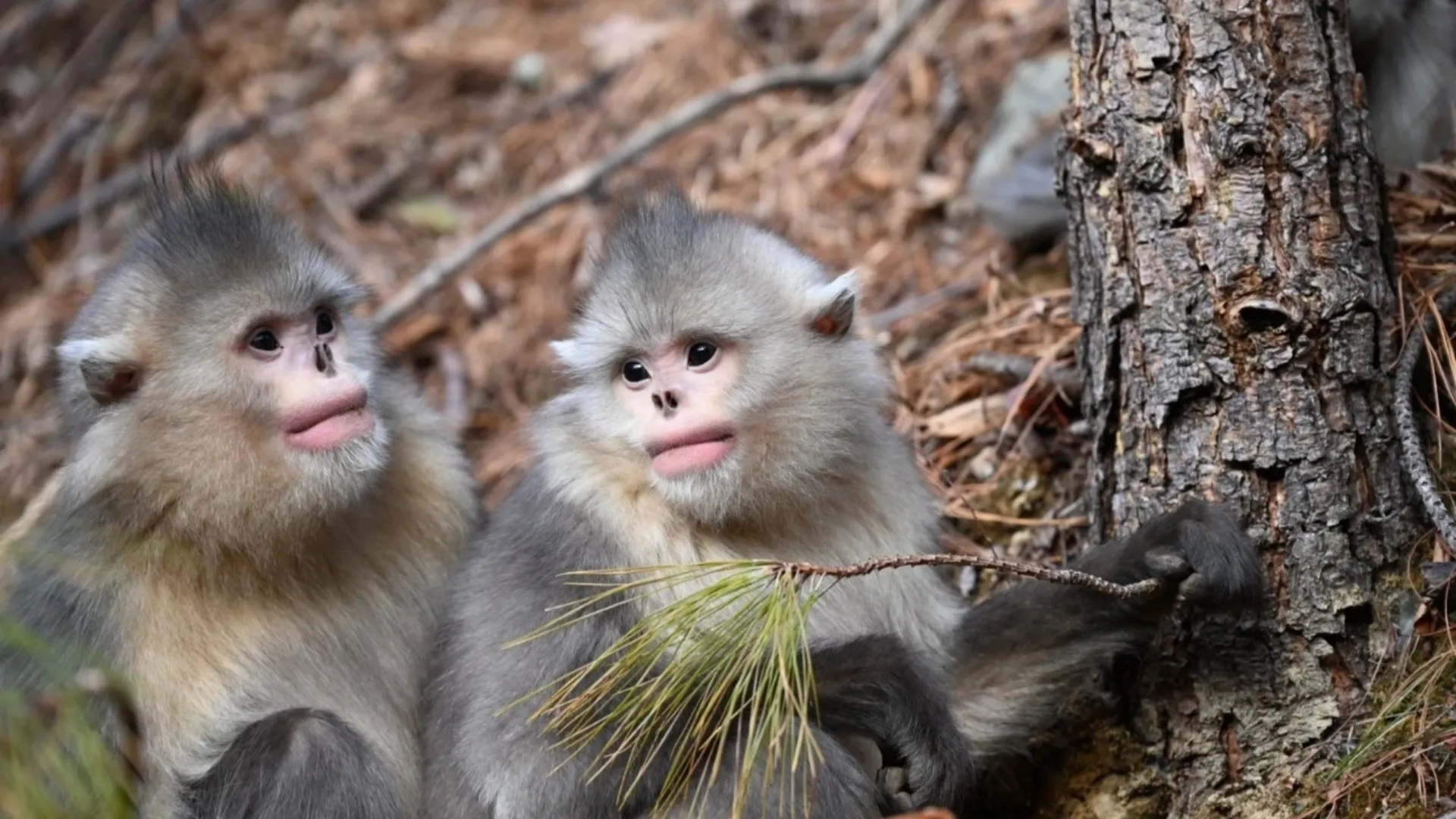
Afterwards, we shall head to Weixi, home to a mysterious creature—the Yunnan snub-nosed monkey. This is a species endemic to Yunnan, extremely rare and seldom seen.
We shall stay in a forest lodge surrounded by mountains and shrouded in mist (this is our exclusive campsite). This is the habitat of the elusive Yunnan snub-nosed monkey.
Among the many Western influences, French winemaking techniques have endured to this day. This grape variety was originally introduced from Bordeaux, France, and is now rarely found in France itself. The Tibetan people, the grapes and religion together form the unique local wine culture we see before us. The wine here is more natural, more in harmony with the laws of nature, and has also contributed to the development of the local community’s economy.
We shall journey to Biruo Snow Mountain, a hidden gem scarcely known to foreigners. At the ruins of the ‘Foreigners’ House’ on Biruo Snow Mountain, this was once a vital stop on the ancient Tea Horse Road in the last century. At that time, the Swiss Order of St Bernard built a refuge here; today, only ruins remain. Yet, this place is a sanctuary for wildflowers.
We shall see Rhododendron haematodes Franch., Rhododendron sanguineum Franch., Rhododendron cephalanthum Franch., Lilium souliei, Nomocharis saluenensis, Pyrola calliantha H.Andr., Anemone Cathayensis Kitag, Trollius Bunge and others. We shall have a picnic at the foot of Mount Biluo.
Afterwards, we shall head to Weixi, home to a mysterious creature—the Yunnan snub-nosed monkey. This is a species endemic to Yunnan, extremely rare and seldom seen.
We shall stay in a forest lodge surrounded by mountains and shrouded in mist (this is our exclusive campsite). This is the habitat of the elusive Yunnan snub-nosed monkey.
At the Shika Snow Mountain Scenic Area, we will take the cable car to the summit of Shika Mountain at 4,300 metres, where we will gaze out over the Meili Snow Mountains, Haba Snow Mountain, Yulong Snow Mountain and the Three Sacred Peaks of Daocheng Yading, whilst searching for rare alpine plants such as Solms-laubachia zhongdianensis.
We will have a picnic by Lingxi Lake, then hike from Lingxi Lake to Yala Qingbo Pasture. On Shika Snow Mountain, we will admire Cassiope pectinata, Cassiope selaginoides, Primula amethystina subsp. brevifolia, Rhododendron saluenense Franch., Primula bella, Meconopsis rudis Prain, Meconopsis pseudovenusta Tayl. Monogr., Meconopsis lancifolia (Franch.) Franch. ex Prain, Chesneya polystichoides (Hand.-Mazz.) Ali, Paraquilegia microphylla (Royle) Drumm. et Hutch., Pinguicula alpina L., Amitostigma monanthum (Finet) Schltr., Primula chionantha, Primula sikkmensis Hook., Primula secundiflora Franch., Primula chungensis Balf. f. et Ward, Primula malvacea Franch., Meconopsis pseudointegrifolia Prain, Megacodon stylophorus (C.B. Clarke) H. Smith, Primula deflexa Duthie, Pyrola calliantha H. Andr., Notholirion bulbuliferum (Lingelsh.) Stearn, etc.
Bigu Tianchi is a typical representative of the thousand-lake area of the high mountain ice-scarred lakes in the Sanjiang Parallel Rivers World Natural Heritage Site in Shangri-La. It showcases the geological structure of the cold-temperate coniferous forest and subalpine meadow vegetation zones in this area. From the village of Bigu at the foot of the mountain, we can admire the largest flower in the world, Rosa praelucens Byhouwer, which is a unique species to Shangri-La. In the birch forest, there are Nomocharis forrestii, Incarvillea younghusbandii Sprague, Incarvillea zhongdianensis, and on both sides of the forest road, Primula deflexa Duthie, Primula sikkimensis Hook, Primula secundiflora Franch, and Iris bulleyana Dykes all form large communities. On the limestone rocks, there are Meconopsis pseudointegrifolia Prain, Meconopsis racemosa Maxim, Rhododenron wardii W.W.Sm. are located on the slopes of the pasture, and at an altitude of 3900 meters, Bigu Tianchi, around which Primula amethystina subsp.brevifolia, Cassiope Selaginoides Hook.f.&Thoms., Rheum alexandrae Batalin, Oxyfraphis glacialis Bunge, Rhododendron phaeochrysum and Rhododendron nivale Hook.f. form a magnificent high mountain flower sea.
Bestecotours guide will take you to the airport, marking the end of your delightful exploration of rare Chinese flowers.
Start customizing your exclusive !
Resources Recommend

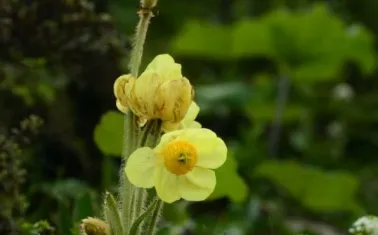
A hundred years later, we will follow in the footsteps of botanist Ernest Henry Wilson, revisiting the plant kingdom of the Hengduan Mountains in search of the Meconopsis, often hailed as the "Goddess of the Highlands," retracing his pioneering route.
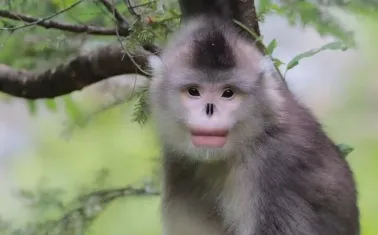
The Shangri-La region is not only a rich species gene bank but also one of the best-preserved biodiversity hotspots in China. Numerous rare and unique species thrive here, including the Yunnan Snub-nosed Monkey, Stryker's Snub-nosed Monkey, Skywalker Hoolock Gibbon, Sclater's Monal, Slender-billed Scimitar Babbler, and Fire-tailed Myzornis. Moreover, this is also one of the most culturally diverse regions in China.
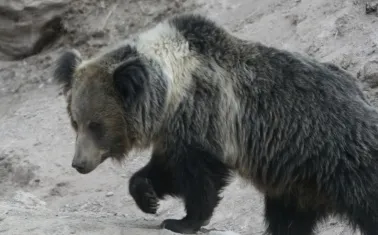
The Sanjiangyuan National Park on the Qinghai-Tibet Plateau, with an average altitude of around 4,600 metres, is a veritable paradise for wildlife. We shall witness the mass migration of Chiru, track snow leopards as they roam the snow-capped mountains, and seek out wild yaks, kiangs, white-lipped deer, blue sheep, Tibetan foxes, black-necked cranes, bar-headed geese and Himalayan vultures – wildlife rarely seen elsewhere.

We will take you on an in-depth adventure through the Giant Panda National Park, where you will learn about the wild lives of giant pandas and Sichuan snub-nosed monkeys in their natural habitats, and discover wildlife unique to China. You will also have the opportunity to get involved in giant panda conservation efforts by becoming a giant panda volunteer.Here, you can not only appreciate the beautiful and rich natural environment of China but also deeply experience Chinese culture


+86-28-62058618

info@bestecotours.com

No. 889, Section 1, Riyue Avenue,
Qingyang District, Chengdu City,
Sichuan Province

Copyright © 2026 •BESTECOTOURS
| Open Positions | Privacy Policy | Terms and Conditions | Manage Cookies