




The Dynasty of
Snow Leopard Queen Droma
The Dynasty of
Snow Leopard Queen Droma




Contact us

Back to top



Submit to agree to our
Privacy Policy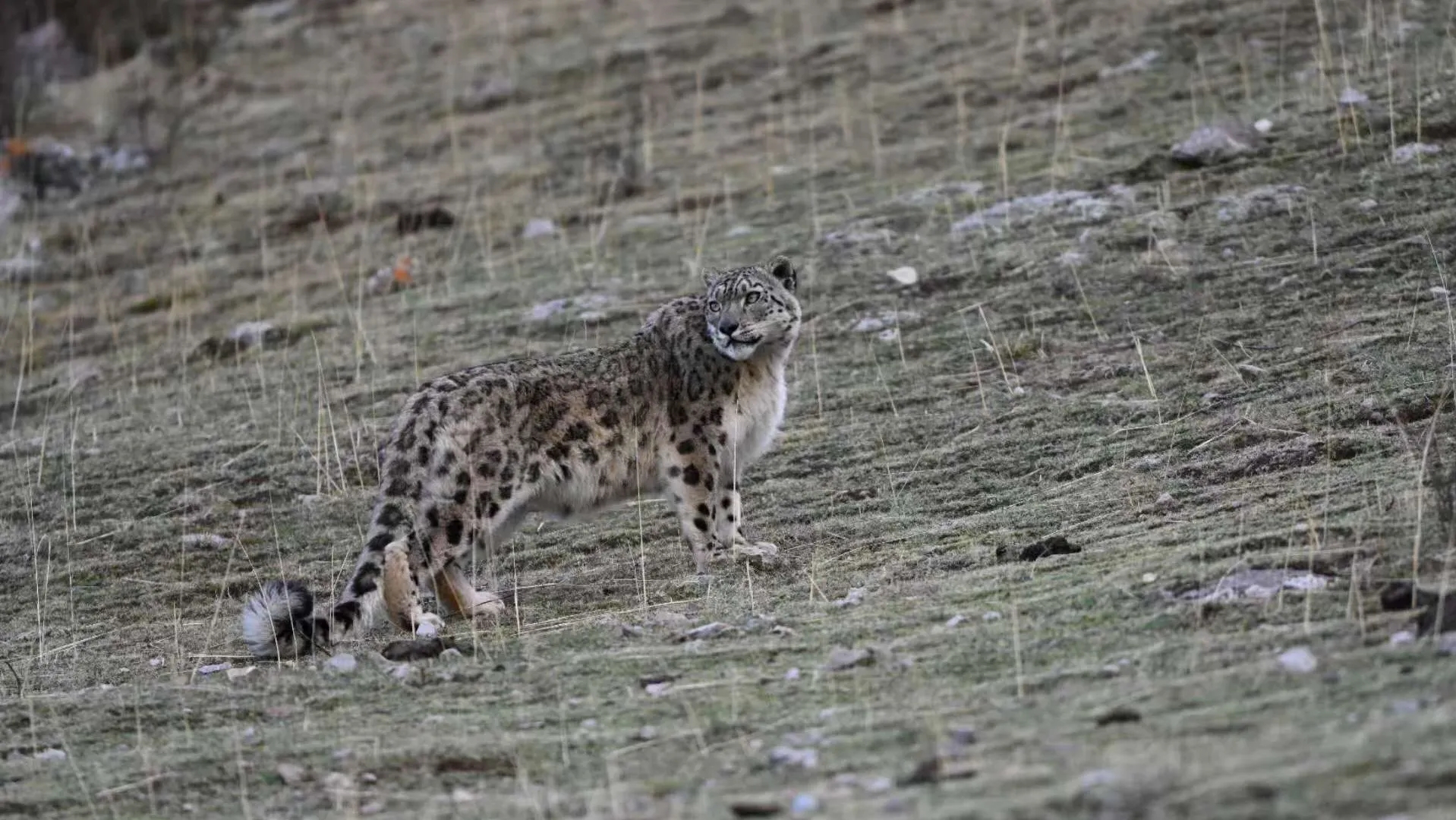
The Dynasty of
Snow Leopard Queen Droma

Deep in the heart of the Qinghai-Tibet Plateau lies a hidden realm known as the "forbidden zone of life" - Shiqu, in Sichuan Province. At an elevation of over 4,500 meters, the wind howls, the air is thin, and yet this is the true kingdom of the snow leopard. In this land of extreme cold, a legendary snow leopard dynasty was born. Its queen is named Droma.
Chinese wildlife photographers have been observing Droma's growth and life since 2020, sharing the story of her dynasty with the world.
Queen Droma
Droma is the undisputed queen of this land—strong, intelligent, and widely regarded by locals as the founder of the "Droma Dynasty."
Each year, as the ice and snow begin to melt in February and March, the snow leopard mating season arrives. When a male named Dawa came courting, Droma still had her one-year-old daughter, Metok, by her side. Wherever Droma went, Dawa followed—but she showed no interest. To protect her cub from potential harm, Droma even hid herself away. Metok too, repeatedly chased off the intruder. But under Dawa's persistent advances, Droma eventually made a difficult choice: she left her daughter behind and mated with Dawa.
In the world of snow leopards, a mother raising her young hides in a safe place, allowing no other animal to approach. Droma's decisiveness was twofold: to protect the cubs she would soon bear, and to force Metok toward independence. Droma and Dawa spent five days together—like lovers, side by side, inseparable.
Three months later, Droma gave birth to her third litter—a pair of twins.
Among the big cats, snow leopards have a relatively fixed mating season, coming into heat only once each spring. On the Qinghai-Tibet Plateau, they typically mate in February or March—and this timing is almost certainly linked to their prey. The snow leopard's main food sources are bharal (blue sheep) and Himalayan marmots. Bharal mate around December and give birth in June or July which is precisely when snow leopards give birth. A female snow leopard cannot leave her cubs for long, and young bharal are the ideal prey during her nursing period. At the same time, June's lush meadows provide abundant food for the bharal. Everything in nature, it seems, is interconnected.
The Abandoned Metok: Where Did She Go?
But for Droma's second-born daughter, Metok, this was a cruel turn of events. At not yet one year old, Metok was sometimes seen playing with balls of soil on the hillside, sometimes mimicking her mother's scent-marking, sometimes even harassing the bharal—though she had no idea how to hunt. She dared not approach her mother. From now on, she would face the challenge of surviving alone.
Soon after, Droma became pregnant. A female snow leopard raising her young hides in a safe place, allowing no other animal to come near—not even her own daughter from a previous litter.
Young Metok had not only to learn how to hunt, but also to avoid predators. It was a nearly impossible task.
In the end, Metok vanished from the photographers' view.
Sister's Keeper
In the autumn of 2022, herders on the grasslands often observed Droma's eldest daughter, Lhamo, hunting. Droma's first litter had included two males and one female—the female was Lhamo. The two males left their mother one by one as they grew up, never to return. Only Lhamo remained near her mother's territory, sometimes even coming back to share food with Droma.
Lhamo did not disappoint her mother. Not only had she learned to hunt bharal and marmots, but she had also inherited Droma's regal bearing.
One day, while Lhamo was hunting, herders caught sight of Metok—who had been missing for so long—running alongside her sister. Lhamo had taken Metok in.
Metok did not become an orphan because she was abandoned. The fact is mortality rates among young wild cats are very high—and the main causes are abandonment by the mother and starvation. Fortunately, Metok was the lucky one.
As mentioned earlier, even after Droma gave birth to Metok, Lhamo would still return to share food with their mother. This kind of relationship is not unusual among cats. Metok and Lhamo would have been familiar with each other. Metok endured great hardship while trying to survive on her own—at one point, she nearly starved to death. But in Lhamo's territory, she survived. Lhamo found her, shared her kills with her, and taught her how to hunt.
Until the spring of 2023, herders continued to see Lhamo and Metok together on the steep cliffs, the very place where Droma and Metok had once played. The bond between Lhamo and Metok was as close as that of mother and daughter. Lhamo called Metok with low, guttural sounds, urging her to stay close while hunting. When hunting, Lhamo would creep quietly toward a herd of bharal—while Metok sat motionless in the grass, watching. Perhaps she was learning. Sometimes Metok would charge too early, alerting the bharal. Sometimes, just as Lhamo was about to strike, Metok would dash across the slope and ruin the ambush. But Lhamo never blamed her. She would rub her face against Metok's to comfort her. Both were growing—in their own ways.
These two snow leopard sisters depended on each other like mother and daughter. Under Lhamo's protection, Metok grew up again—and eventually became a skilled hunter on this very land. They lived their separate lives within the same territory, watching each other from afar, carrying forward the bloodline of Droma's dynasty.
The photographers also captured an unexpected moment: Droma had not forgotten Metok. She once approached Metok on her own initiative, lowering her head and rubbing it on the ground—a gesture of goodwill. They spent some time together. We had assumed Metok would then follow Droma, but in fact, she chose Lhamo instead.
First-Time Mother Lhamo
By this time, Lhamo had reached four years of age fully grown adult snow leopard. After raising her younger sister alone, she was about to become a mother herself. In May, Metok found a birthing cave for herself—and Lhamo began to deliberately keep her distance. Coincidentally, this was the very cave where Metok herself had been born. By July, a tiny snow leopard cub poked its head out—Lhamo had given birth to three cubs. Later, she moved them to a spot beneath a rocky cliff—highly sheltered, with a flat area for activity. Lhamo proved to be a meticulous and highly capable mother. She spent long hours each day nursing her cubs, licking them clean, and caring for them with extraordinary devotion. Their territory offered abundant prey and a safe environment.
Even then, Lhamo still remembered her sister. After giving birth, Metok continued to linger near the den—though she dared not approach the birthing site. But Lhamo would still call Metok to come and share food. If Metok did not understand, Lhamo would walk up the slope and lead her down to eat. By this time, Metok's belly was full every day—it was clear she had grown up and learned to hunt on her own.
But then: Where did Metok go? After Lhamo began bringing her cubs out into the open, Metok was never seen again. Evidently, she had gone off in search of her own territory.
Legacy Continues
By 2025, Droma had given birth to her fifth litter—two cubs. Meanwhile, Lhamo's first three cubs had left their mother to begin their independent lives, and Lhamo herself had given birth to a second litter.
Today, Lhamo's cubs run free across the plateau. Metok has found her own place in the world. The story of Droma's dynasty has not faded with time—on the contrary, it shines ever brighter in the biting wind of the Qinghai-Tibet Plateau.
This is an epic of motherly love, survival, and guardianship. In this land of extreme cold, where humans have yet to fully conquer, snow leopards live by their own rules, writing a story of dignity and warmth that belongs to the wild. Droma, Lhamo, and Metok are not merely queens of the snow—they are witnesses to the endless, resilient pulse of life on this plateau.
If you are seeking a truly spectacular snow leopard expedition, our Qinghai-Tibet Plateau tour is designed for true adventurers. This expedition is entirely distinct from snow leopard expeditions in other parts of the world; we will venture into the core habitat of the snow leopard, where, compared to other snow leopard observation sites globally, the population density and sighting rates here far exceed expectations, and the viewing conditions are far more favourable—with sightings typically occurring at distances ranging from tens to hundreds of metres, something rarely achievable elsewhere. Individual snow leopards such as Droma, Metok, Lhamo and Dawa all call this region home. Join ‘Tracking the Snow Leopard’ expedition and immerse yourself in a world of the unknown!
Start customizing your exclusive !

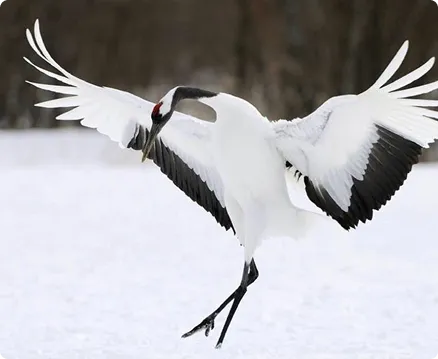
The Sanjiangyuan National Park on the Qinghai-Tibet Plateau, with an average altitude of around 4,600 metres, is a veritable paradise for wildlife. We shall witness the mass migration of Chiru, track snow leopards as they roam the snow-capped mountains, and seek out wild yaks, kiangs, white-lipped deer, blue sheep, Tibetan foxes, black-necked cranes, bar-headed geese and Himalayan vultures – wildlife rarely seen elsewhere.
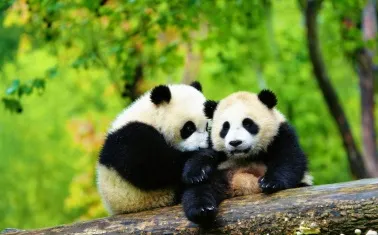
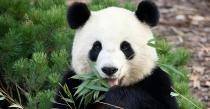
We will take you on an in-depth adventure through the Giant Panda National Park, where you will learn about the wild lives of giant pandas and Sichuan snub-nosed monkeys in their natural habitats, and discover wildlife unique to China. You will also have the opportunity to get involved in giant panda conservation efforts by becoming a giant panda volunteer.Here, you can not only appreciate the beautiful and rich natural environment of China but also deeply experience Chinese culture

You will have an incredible journey, experiencing the work of a panda keeper, visiting the ancient town to learn from a kung fu master as your teacher, and joining the ranks of heroes.
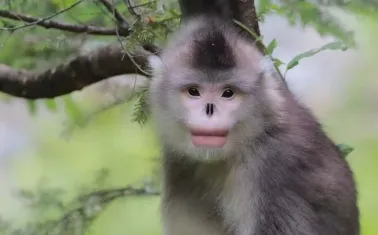
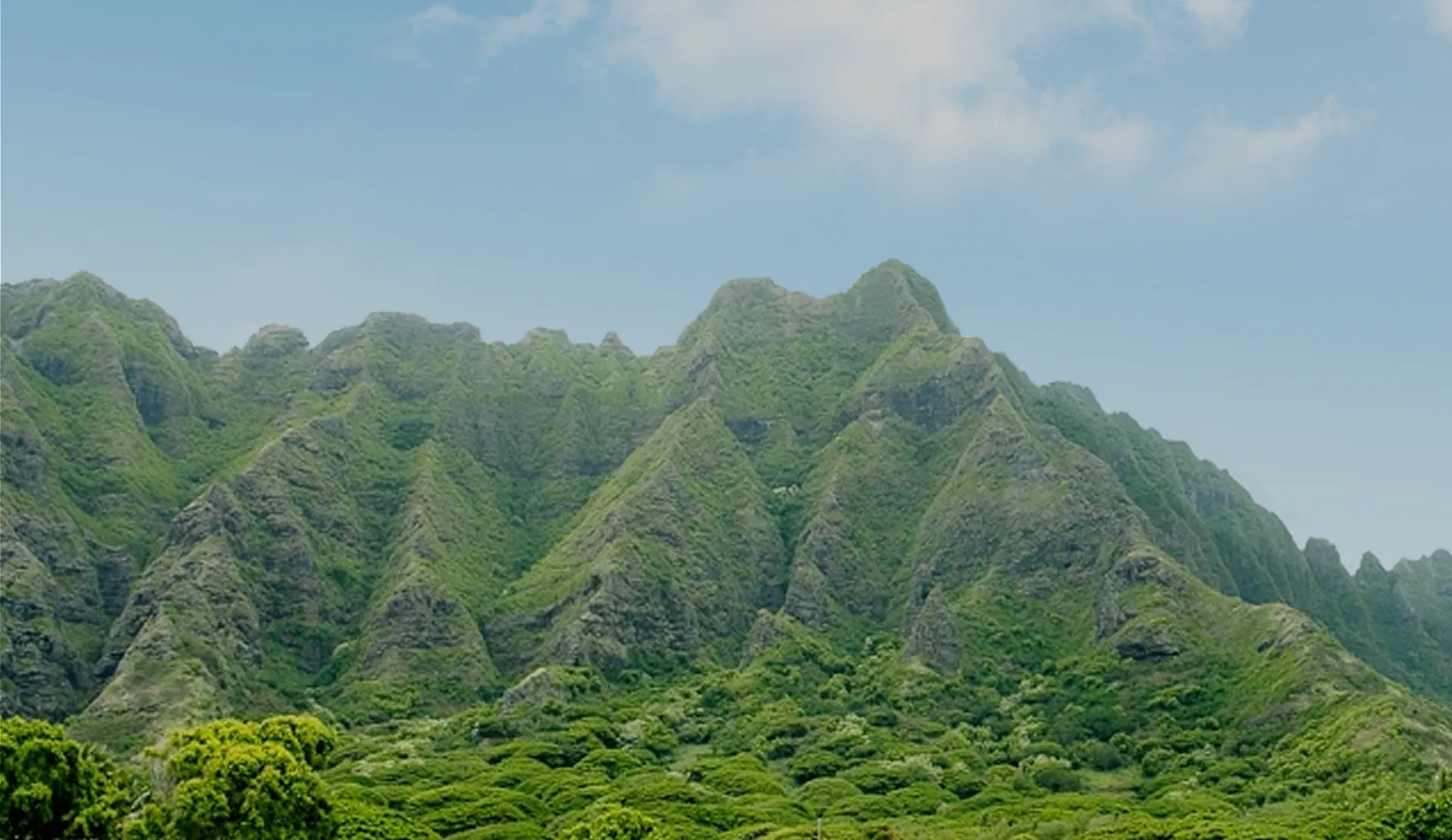
The Shangri-La region is not only a rich species gene bank but also one of the best-preserved biodiversity hotspots in China. Numerous rare and unique species thrive here, including the Yunnan Snub-nosed Monkey, Stryker's Snub-nosed Monkey, Skywalker Hoolock Gibbon, Sclater's Monal, Slender-billed Scimitar Babbler, and Fire-tailed Myzornis. Moreover, this is also one of the most culturally diverse regions in China.


+86-28-62058618

info@bestecotours.com

No. 889, Section 1, Riyue Avenue,
Qingyang District, Chengdu City,
Sichuan Province

Copyright © 2026 •BESTECOTOURS
| Open Positions | Privacy Policy | Terms and Conditions | Manage Cookies